How the organization of physical space can influence mental clarity and promote inner peace

Understanding the Impact of Our Environment on Well-Being
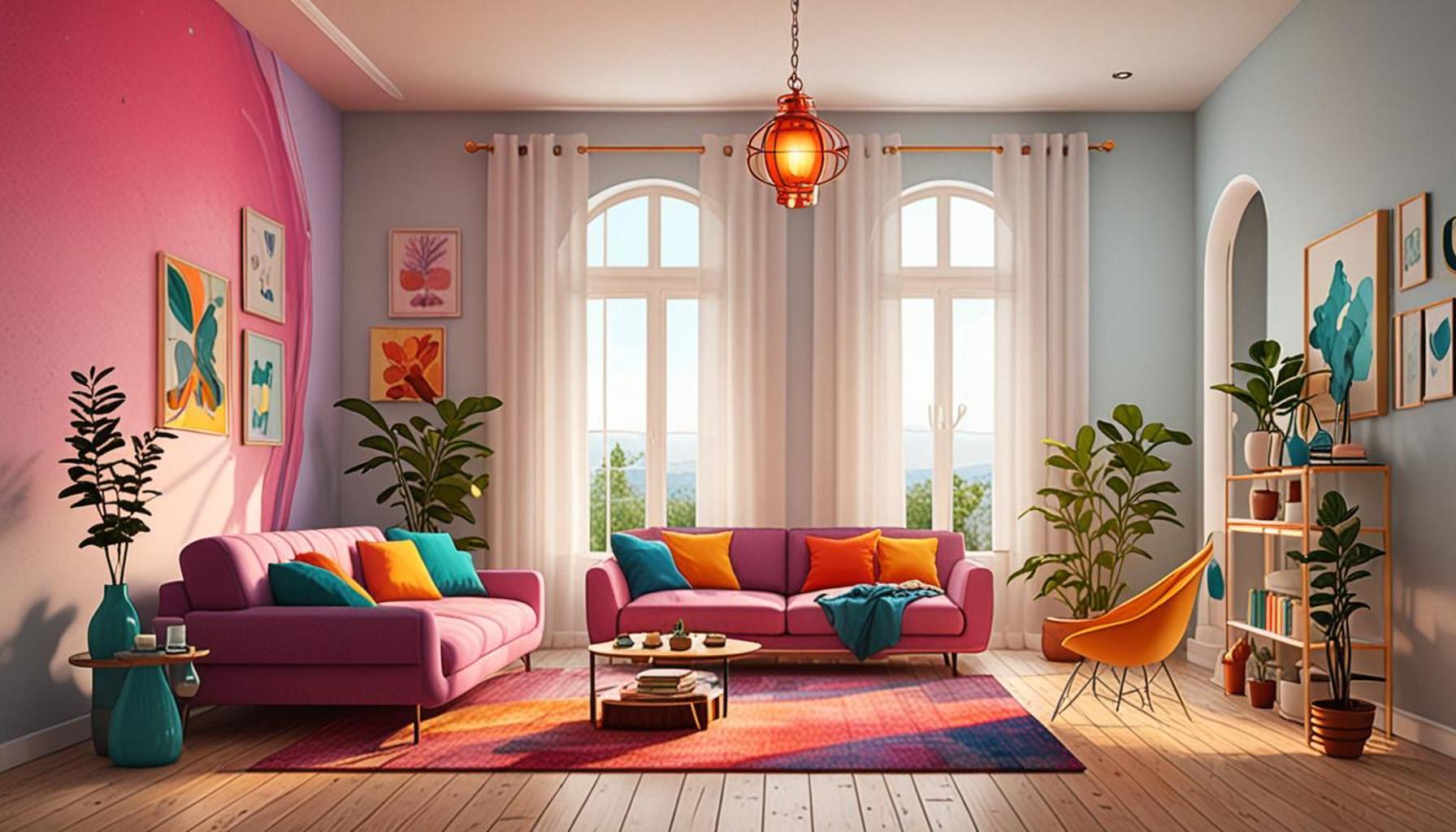
Our surroundings profoundly affect our mental state, often in ways we may not consciously recognize. The organization of physical space plays a crucial role in shaping our thoughts and feelings, enhancing our focus, and fostering an environment that nurtures inner peace. By gaining insights into this relationship, we can transform our homes and workplaces into sanctuaries that promote clarity and tranquility.
Key Elements Influencing Mental Clarity
- Clutter Control: Research indicates that clutter can lead to increased stress levels and decreased productivity. A tidy space reduces distractions, allowing for better concentration. For example, a clean desk in an office setting can help one complete tasks more efficiently compared to a cluttered workspace filled with unnecessary papers and items.
- Natural Light: Exposure to daylight can significantly boost mood and energy levels. Studies have shown that employees in offices with ample natural light report higher satisfaction and reduced eye strain. Incorporating large windows or skylights can make all the difference, creating an inviting atmosphere that enhances overall well-being.
- Color Psychology: Different colors can evoke a variety of emotions and can significantly influence mental well-being. For instance, blue hues are known for their calming effects, making them ideal for spaces designed for relaxation. Meanwhile, yellows and oranges might inspire creativity and optimism, making them perfect for creative workspaces.
Consider how often you feel overwhelmed in a crowded, disorganized room versus a serene, minimalist environment. Numerous studies suggest that a thoughtfully arranged space not only promotes mental clarity but also encourages creativity. It’s about more than mere aesthetics; it’s about cultivating a sense of peace that can ripple throughout various aspects of life, including work performance and personal relationships.
Exploring Further
Diving deeper into the intricacies of spatial organization reveals fascinating insights about human behavior and well-being. Strategies such as decluttering, incorporating greenery with houseplants, or even rearranging furniture can help create an atmosphere that nurtures mental strength. For example, studies suggest that indoor plants can improve air quality and reduce stress levels, making them excellent additions to both living and working environments.
By becoming intentional about our physical spaces, we can unlock the potential for improved mental health and fulfillment. Join us as we explore the science behind how physical space impacts our inner peace and discover practical pathways to enhanced well-being. Understanding these dynamics can empower individuals to reclaim their environments and enhance their lives, creating spaces that truly reflect tranquility and focus.
DIVE DEEPER: Click here to discover minimalist organization strategies that can transform your long-term goals
The Relationship Between Space and Mindset
The way we organize and arrange our physical spaces can have a profound impact on our mental clarity and overall sense of peace. A well-structured environment not only facilitates productivity but also nurtures emotional well-being. This is particularly relevant in today’s fast-paced world, where many individuals find themselves juggling multiple responsibilities often in chaotic surroundings. By understanding how the organization of physical space influences our mental processes, we can create environments that promote focus and tranquility.
Decluttering for Mental Freedom
One of the most significant factors in achieving mental clarity is clutter control. Clutter is not simply a collection of physical items; it can also manifest as mental distractions that inhibit clear thinking. Recent studies indicate that as clutter accumulates, feelings of stress and anxiety tend to increase. A study published by the Personality and Social Psychology Bulletin found that individuals who describe their homes as cluttered are more likely to feel depressed and overwhelmed compared to those who maintain a tidy environment. Thus, taking the time to declutter can be one of the most effective strategies for improving focus and mental health.
The Power of Natural Elements
Another critical aspect to consider is natural light. The presence of natural sunlight in a workspace or home can dramatically influence mood and productivity. According to the Center for Health Design, natural light exposure is linked to improved health and well-being, with benefits including increased alertness and reduced eye strain. Workplaces that incorporate large windows or open spaces allow for sunlight to flood in, creating an atmosphere that is not only brighter but also more serene. Additionally, studies show that environments with ample natural light can help regulate our biological clocks, promoting better sleep patterns—an essential component of mental clarity.
Color: The Silent Influencer
Color psychology is another fascinating dimension that can shape our mental states. Each color has the ability to evoke different emotions and associations. While blues and greens are often connected with calmness and serenity, vibrant colors like yellow and orange can stimulate creativity and optimism. Understanding how colors affect mood can guide decisions on decor both at home and in workplaces, ultimately creating spaces conducive to desired mental states. For instance, a calming blue might be ideal for a bedroom, while a splash of energetic orange could be perfect for a brainstorming room.
Creating Your Ideal Space
Having explored these key elements—clutter control, natural light, and color psychology—it becomes clear that intentional space organization can lead to enhanced mental clarity and a more profound sense of inner peace. By actively curating our physical environments, we hold the power to influence our thought processes and emotional health. Every small decision, from which art hangs on the walls to how our workspaces are laid out, compounds into a larger effect on our day-to-day well-being. As we delve deeper into methods of redesigning our spaces, the potential for improved mental health and heightened productivity becomes increasingly tangible.
Understanding the Impact of Space Organization
In a world where the hustle and bustle often drown out internal peace, the organization of physical space plays a vital role in fostering mental clarity and influencing emotional well-being. The layout, color schemes, and even the arrangement of furniture can significantly alter the energy of a room, resulting in substantial effects on individuals’ mental states.
Clutter and Cognitive Load
Research indicates that clutter can create a sense of chaos, leading to increased cognitive load. When spaces are crowded with unnecessary items, it can overwhelm the brain, making it more challenging to concentrate on tasks that require focus. Maintaining an organized space allows for clearer thoughts and increased productivity, as the mind is not distracted by unnecessary stimuli.
Natural Elements as Enhancers
Incorporating natural elements—such as plants, natural light, and earth tones—into physical spaces not only beautifies an environment but also contributes to promoting inner peace. Studies have shown that green spaces can reduce stress levels and enhance overall mood, leading to deeper clarity and tranquility in both work and personal settings.
Functional Design and Flow
Effective design should prioritize flow and functionality. Spaces that are designed with movement in mind reduce friction points, allowing for easier transitions between activities. This seamless flow adds to the feeling of calm, as individuals can move through tasks without obstruction, ultimately affecting their mental state positively.
Conclusion
Recognizing the profound influence of our environments opens up opportunities for cultivating a more peaceful existence. The deliberate organization of our physical spaces not only contributes to mental clarity but also fosters a sense of inner peace that resonates in our daily lives. Exploring how different elements within a space can be harnessed further equips individuals to create the serene atmospheres necessary for personal well-being.
| Advantages of Organized Space | Impacts on Mental Clarity and Peace |
|---|---|
| Reduced Clutter | Promotes focus and minimizes distractions. |
| Use of Natural Elements | Enhances mood and reduces stress through nature. |
| Functional Design | Facilitates smoother transitions and greater serenity. |
By understanding and implementing these strategies, individuals can transform their environments into powerful tools for achieving mental clarity and inner peace.
DISCOVER MORE: Click here for powerful strategies
The Role of Functional Design and Personal Touch
In addition to elements such as clutter, natural light, and color psychology, the functional design of a space plays a vital role in creating an environment that promotes mental clarity and inner peace. Functional design involves an understanding of how the layout and flow of a space can either hinder or enhance productivity. Open floor plans, for instance, can foster collaboration and communication in workplaces, but they may also lead to distractions if not balanced with designated quiet areas for focused work.
Zones of Activity
Creating defined activity zones can significantly contribute to mental well-being. By segmenting a space into distinct areas—such as a reading nook, a relaxation corner, and a workspace—individuals can mentally associate each zone with specific activities or states of mind. Research from the Journal of Environmental Psychology emphasizes the importance of these zones, noting that spatial boundaries can aid in minimizing distractions and fostering a sense of purpose in tasks. When you can physically step into a different area dedicated to a specific activity, your brain recognizes that it is time to shift focus, thereby enhancing clarity and intention.
Personal Touch: The Art of Authenticity
Incorporating personal items and elements that resonate emotionally with individuals can further enhance mental clarity. Surrounding oneself with photographs, art, or mementos that hold positive memories or represent personal achievements can ignite inspiration and maintain motivation in day-to-day tasks. According to studies from the Journal of Environmental Psychology, personalization can lead to an increased sense of ownership and satisfaction within a space, further fostering an emotional connection that can serve as a buffer against stress.
The Soundscape of Tranquility
Another often-overlooked aspect of spatial organization is the auditory environment. Noise pollution has been linked to decreased concentration levels and heightened stress. Creating a peaceful soundscape can involve strategically using soft furnishings to absorb sound or incorporating soothing background music or nature sounds. For instance, playing soft instrumental music or utilizing essential oil diffusers that emit calming aromas can transform a noisy office into a serene haven, ultimately promoting clarity of thought.
Adaptability and Future Proofing
As our lives evolve, so too should our physical spaces. An environment that embraces flexibility allows for seamless transitions as personal and professional needs change. Modular furniture, adaptable layouts, and multipurpose spaces can help individuals respond to changing demands without the need for complete overhauls, maintaining a sense of continuity and comfort in their surroundings. Studies indicate that environments designed with adaptability in mind typically lead to enhanced well-being, as they resonate with a sense of control and personalization.
When we pull together these various elements—functional design, personal authenticity, auditory harmony, and adaptability—we create a holistic approach to spatial organization that not only promotes mental clarity but also facilitates a deeper experience of inner peace. Engaging with our environments in this intentional way can pave the road to a more fulfilling and balanced life, making every moment spent within them more meaningful.
DISCOVER MORE: Click here for valuable insights
Fostering Clarity and Peace Through Thoughtful Space Organization
In conclusion, the intricate relationship between our physical environments and mental states cannot be overstated. As we have explored, factors such as functional design, personalized touches, the acoustic landscape, and the adaptability of spaces work synergistically to shape our experiences in profound ways. By creating designated activity zones, we allow ourselves to mentally transition between tasks, enhancing both productivity and focus. Personal elements imbue our spaces with a sense of ownership, fostering emotional connections that buffer against daily stressors.
The holistic approach to space organization extends to how sound influences our cognition. A peaceful soundscape plays a critical role in minimizing distractions, while adaptable designs ensure our environments remain conducive to both personal growth and everyday efficiency. As our lives shift, so should our spaces, allowing for a dynamic interplay between need and function that keeps us grounded and at peace.
Ultimately, the organization of our physical environments is not just about aesthetics; it is a powerful tool in promoting mental clarity and cultivating inner peace. By embracing intentional design and making conscious choices in our surroundings, we can unlock the potential for a more balanced and fulfilling existence. As individuals examine their physical spaces, they are encouraged to reflect on the direct impacts of their organization on their mental well-being, inviting a transformative journey toward a sanctuary of tranquility and clarity.