Minimalist Organization Design Spaces for Emotional Health Inner Peace

In a world overwhelmed by clutter and constant distractions, the concept of minimalism emerges as a beacon of clarity. Minimalist organization advocates for creating environments that not only declutter physical space but also contribute to emotional well-being. By prioritizing essential items and creating tranquil surroundings, individuals can foster a sense of inner peace and enhance their overall mental health.
As more people seek to alleviate stress and anxiety, the intersection of minimalism and personal organization takes center stage. Understanding the profound impact that our surroundings have on our emotions is crucial. Here are some key points to consider:
- Clutter Reduction: Minimizing physical items can lead to a clearer mind.
- Intentional Design: Thoughtfully curated spaces promote feelings of tranquility.
- Emotional Security: Organized environments can enhance feelings of safety and comfort.
- Creative Freedom: Less clutter allows for enhanced focus and creativity.
- Mindfulness Practices: Mindful organization encourages a deeper connection with one’s environment.
In this article, we will explore the top five elements of creating minimalist spaces that boost emotional health and promote a sense of calm. Each element serves as a stepping stone toward less chaos and more clarity in our daily lives.
Top 5: Creating Spaces That Promote Emotional Health and Inner Peace Through Minimalist Organization
In a world that increasingly values speed and abundance, the idea of minimalism emerges as a counterbalance, offering a serene escape from the chaos. Minimalism isn’t merely a modern design trend or a lifestyle choice; it’s a philosophy that advocates for mindful selection in our physical surroundings to enhance mental and emotional well-being. The core principle of “less is more” within minimalist organization can transform ordinary spaces into sanctuaries of tranquility. This article delves deeper into the top five methods for achieving minimalist organization to promote emotional health and a serene environment.
5. Embrace Curated Decor
Curated decor is central to minimalist organization, serving a dual purpose of simplicity and personal significance. The power of curation lies in the selective process — choosing items that evoke joy, peace, or memories that you cherish. This method isn’t about eliminating all decorative items but prioritizing those that hold authentic value to you.
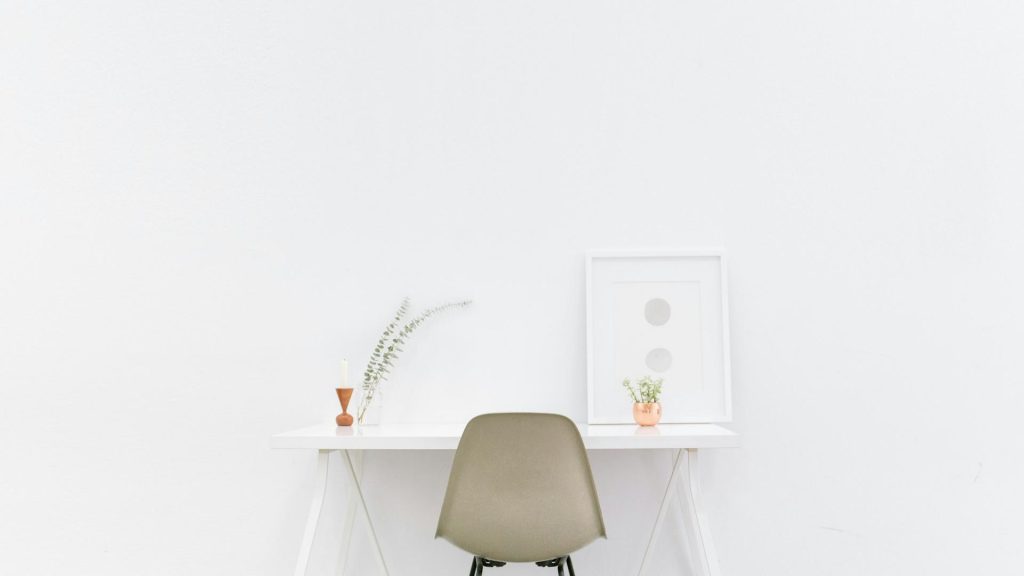
Consider Marie Kondo’s widely popular method of decluttering, where items are kept only if they “spark joy.” This practice is deeply reflective of minimalist curation, focusing on quality over quantity. For instance, a single piece of original artwork that resonates with you can wield more emotional impact than a gallery wall filled with pieces that don’t. Personalized decor, such as family heirlooms or souvenirs from meaningful travels, can serve as conversation pieces while enhancing your emotional connection to your space.
- Identify pieces that make you happy or remind you of cherished moments to create personalized decor.
- Regularly eliminate items that no longer serve a purpose or bring joy to maintain a clean and harmonious space.
- Display your remaining decor items thoughtfully, allowing their stories and significance to shine.
By embracing curated decor, you establish an environment that not only minimizes visual clutter but one that fosters emotional comfort and connectivity.
4. Declutter Regularly
Decluttering is, indisputably, an essential practice in maintaining mental clarity and emotional health. Clutter not only physically occupies space but also mentally demands attention, contributing to stress and distraction. Regular decluttering sessions can transform your living space into a more manageable and serene haven.
Consider incorporating a consistent decluttering schedule to maintain a tidy environment. This might mean tackling a different area each week or dedicating a specific day monthly. Use this time to reflect on the necessity and value of each item. Marie Kondo’s method encourages asking yourself if an item sparks joy. However, practical questions such as “Does this item have a purpose?” and “When was the last time I used it?” can be equally revealing.
- Does this item have a purpose? If not, it may be time to let it go.
- Does it contribute to my emotional well-being? Keep only those items that positively influence your mood.
- When was the last time I used it? Regular use is a key indicator of an item’s importance in your life.
Maintaining a decluttered environment is not only about tidiness but creating a space where focus and relaxation can thrive uninhibited.
3. Use Functional Furniture
The furniture we choose significantly impacts the functionality and aesthetics of our living spaces. Minimalist design encourages the use of multifunctional furniture that maximizes the utility of your space while avoiding clutter. This way, you can achieve an open, inviting atmosphere without sacrificing practicality or comfort.
Explore options like sofas with built-in storage, foldable tables, or beds with drawers underneath. These smart solutions create additional storage space without adding bulky furniture pieces. Multi-functional furniture can effortlessly keep living areas organized, contributing to a calm and coherent aesthetic.
For small spaces, furniture that can be easily stored away, such as nesting tables or wall-mounted desks, can maintain the illusion of spaciousness, furthering the minimalist ethos.
The simplicity and functionality of minimalist choices ensure that the space is not just visually appealing but also conducive to maintaining a peaceful state of mind.
2. Create Zones of Calm
Designing specific areas within your home as ‘zones of calm’ addresses different emotional needs and helps create boundaries within shared spaces. In today’s world where the lines between work and home are increasingly blurred, such zones become crucial in fostering both productivity and relaxation.
Envision a reading nook filled with natural light, soft throws, and a collection of beloved books. Or perhaps you desire a meditation corner with cushions, a small water fountain, and gentle lighting. These zones not only appeal to the senses but provide a designated space for mental unwinding and emotional reset.
- Soft lighting can add warmth and comfort to any room, setting the tone for relaxation.
- Natural elements, such as houseplants, improve air quality and boost mood, connecting us to nature.
- Sound elements, like a soft instrumental playlist or white noise, can soothe the mind and enhance focus.
By creating these distinct areas, you allow for emotional decompression, thereby promoting mental health and well-being.
1. Prioritize Simplicity in Design
The essence of minimalist spaces lies in the simplicity of their design. This doesn’t mean bland or boring; rather, it’s about stripping away excess in favor of tranquility and clarity. Simplistic design emphasizes a clean, cohesive aesthetic that promotes emotional clarity and peace of mind.
Using a restrained color palette of neutrals, whites, and greys can create a soothing backdrop, allowing personal touches to shine without overwhelming the senses. Furniture with clean lines and open layouts encourage ease of movement and visual continuity, which are both soothing to the eye and mind.
- Use a limited color palette to create coherence and tranquility within your spaces.
- Choose furnishings and decor with clean, simple lines to reduce visual noise.
- Opt for open and airy layouts that encourage a sense of flow and spaciousness.
By prioritizing simplicity in design, you cultivate an environment that inherently supports emotional clarity and serenity.
In summary, embracing minimalist organization is a journey towards creating spaces that enhance emotional health and inner peace. From curated decor to simple design philosophies, these practices collectively transform homes into havens of tranquility. As we continue to navigate a complex world, such serene environments can offer immense comfort, clarity, and joy.
| Category | Description |
|---|---|
| Reduced Clutter | A minimalist organization reduces clutter, leading to decreased stress and promoting a vibrant and peaceful environment. |
| Enhanced Focus | By minimizing distractions, individuals can concentrate better, which enhances productivity and cognitive clarity. |
| Improved Mental Clarity | Creating organized and minimalistic spaces allows individuals to experience improved emotional health and mental clarity. |
| Promotes Mindfulness | A minimalist setup encourages mindfulness, helping individuals to engage more fully with their surroundings and fostering emotional well-being. |
In the exploration of minimalist organization, one discovers an array of advantages that not only enhance living spaces but also fortify emotional health and tranquility. As clutter diminishes, the room for stress likewise shrinks. The psychological benefits of a decluttered environment cannot be overstated, as studies have shown that chaotic surroundings significantly affect emotional states, leading to feelings of anxiety and overwhelm.Moreover, in a world brimming with distractions, enhancing focus becomes paramount. A minimalistic arrangement fosters an atmosphere where clutter is exchanged for clarity. As a result, the clarity of thought and the ability to concentrate skyrocket, allowing individuals to engage with their tasks with renewed vigor. This enhanced focus contributes to a sense of accomplishment, crucial for overall well-being.Furthermore, creating spaces that support mental clarity is essential. The mind, often bombarded with stimuli, benefits greatly from environments designed to encourage relaxation and contemplation. An organized space empowers individuals to visualize and process their emotions more effectively, leading to healthier mental states. It cultivates a sanctuary where one can unwind and recharge, making emotional regulation more manageable.Lastly, the act of establishing a minimalist environment inherently promotes mindfulness. With fewer distractions, individuals can immerse themselves in their daily activities, elevating awareness of the present moment. This practice enhances emotional connection and nurtures a deeper appreciation for the simplicity and beauty surrounding us. It is a gentle reminder that peace and emotional health are attainable through intentional living and thoughtful organization. Embracing these minimalistic principles can truly transform how one interacts with their space and themselves.
Frequently Asked Questions about Minimalist Organization
What is minimalist organization and how does it impact emotional health?
Minimalist organization involves decluttering and simplifying spaces to create environments that foster peace of mind and emotional well-being. By reducing physical clutter, individuals often experience reduced stress and increased focus. The practice encourages mindfulness, leading to a more serene and balanced lifestyle, directly impacting emotional health.
How can minimalist spaces promote inner peace?
Minimalist spaces are designed to eliminate distractions and provide clarity. When a room is organized with intention, it can inspire a sense of control and accomplishment. The clean lines and simplicity inherent in minimalist design can evoke feelings of tranquility and provide an atmosphere conducive to meditation and reflection, ultimately promoting inner peace.
Is minimalist organization sustainable, or is it just a trend?
While some may view it as a trend, minimalist organization has roots in sustainable living. By emphasizing the importance of quality over quantity, it advocates for mindful consumption and reducing waste. This lifestyle not only benefits personal mental health but also supports environmental well-being, suggesting a long-lasting impact beyond mere trendiness.
How does one start transitioning to a minimalist lifestyle?
Begin with small steps, focusing on one space at a time. Identify items that are truly essential and hold personal value. Engage in practices such as the KonMari Method, where you assess belongings based on whether they “spark joy.” Gradually, this approach will transform your space into a minimalist haven, reflecting your journey towards emotional health.
What challenges might arise in adopting a minimalist lifestyle?
Challenges include overcoming emotional attachments to possessions and the fear of letting go. It can be difficult to shift from a consumer-oriented mindset to one focused on simplicity. However, these obstacles can be addressed through self-reflection and understanding the deeper values associated with minimalist living, allowing for a smoother transition and sustained peace.
Conclusion: Embracing Minimalism for Emotional Health and Inner Peace
In conclusion, adopting a minimalist approach to organization is not just about decluttering physical spaces; it is about fostering environments that nurture emotional well-being and inner peace. As explored in this article, minimalism offers practical strategies that can profoundly impact our mental health and quality of life.
The top takeaways emphasize the crucial link between a well-organized space and emotional stability. First, decluttering reduces stress by eliminating unnecessary items that contribute to overwhelming and chaotic environments. Second, mindful organization enhances focus, allowing us to concentrate on what truly matters by removing visual distractions. Third, prioritization and simplicity lead to clarity, creating a space that reflects our true intentions and values rather than being dictated by consumerism.
Moreover, integrating minimalist principles ensures better time management, freeing up mental space to engage in activities that foster happiness and fulfillment. Lastly, embracing minimalism encourages personal reflection, pushing us to evaluate our relationships with our belongings and redefine our needs versus wants.
The importance of these practices cannot be overstated in an age of ever-increasing demands and distractions. As we journey through the complexities of modern life, adopting a minimalist approach can serve as a powerful tool to regain control over our environments and, ultimately, our emotional health. By simplifying our surroundings, we can create sanctuaries of peace and tranquility amidst the chaos of the outside world.
For those intrigued by the concept, further exploration into the minimalist lifestyle may reveal even more benefits to personal organization and well-being. As we continue to seek balance and harmony, minimalism offers a promising path forward, providing both a practical and philosophical framework for better living.