How Minimalism Can Boost Your Self-Esteem: Letting Go of Excess
The Transformative Power of Letting Go
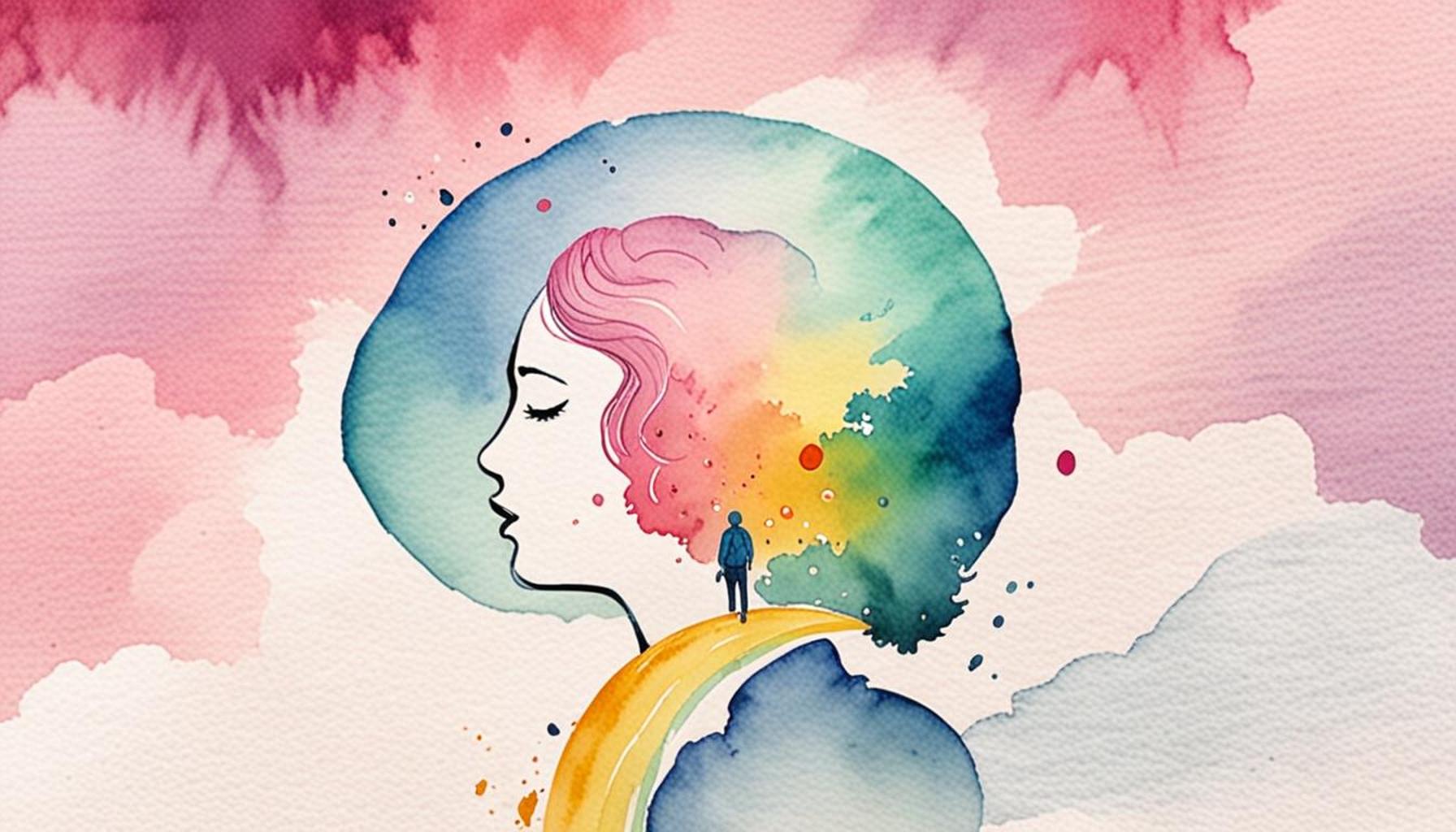
In a society that often equates success with the accumulation of material goods, the minimalist philosophy serves as a reminder that true fulfillment may lie in simplicity. The practice of letting go of physical and mental clutter invites individuals to break free from societal pressures and reflect on what genuinely adds value to their lives.
Decluttering Your Space: Rewards Beyond Cleanliness
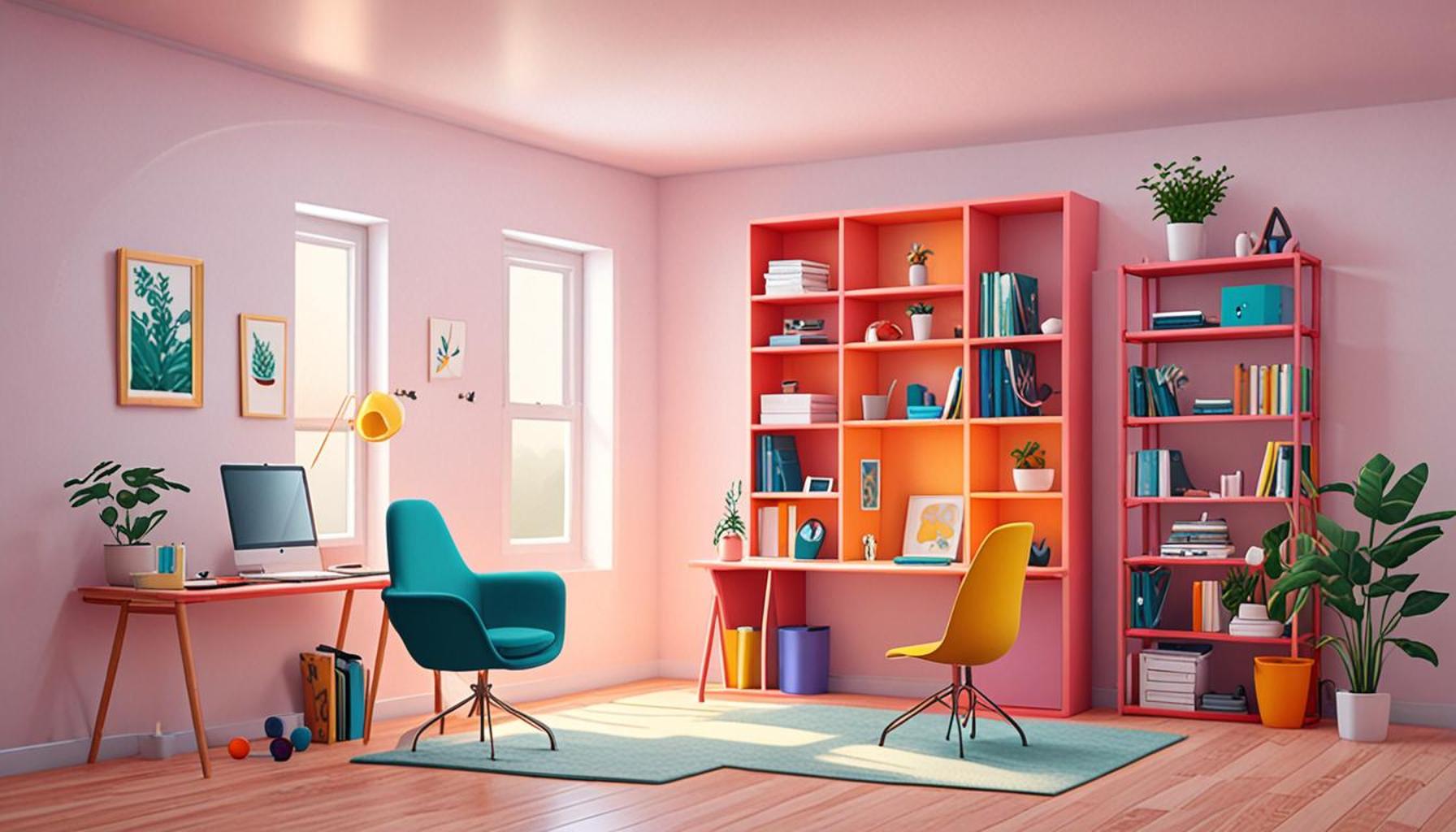
One of the most noticeable aspects of minimalism is decluttering your space. When you organize your living environment, the immediate effect is a clean and orderly space that promotes clarity and focus. Research indicates that a tidy environment can significantly enhance productivity levels. For instance, a report by the Princeton University Neuroscience Institute suggests that clutter can make it difficult for our brains to process information, leading to stress and decreased efficiency. By stripping away unnecessary items, you can create a calm oasis that allows for clear thinking and creativity.
Reducing Distractions: A Path to Mindfulness
Another significant benefit of minimalism is reducing distractions. In curating fewer possessions, you also cultivate more awareness in your daily life. This reduction fosters deeper engagement with the present moment and enhances your ability to be mindful. For example, many individuals find that when they limit their social media presence and focus on fewer items in their environments, they become more present in their interactions with others. This mindfulness not only improves self-awareness but can also strengthen relationships by fostering genuine connections with family and friends.
Emphasizing Experiences Over Possessions
Minimalism also encourages the notion of emphasizing experiences over possessions, shifting the focus from acquiring items to creating lasting memories. Research conducted by the American Psychological Association highlights that spending money on experiences leads to greater happiness than purchasing material goods. This is likely because experiences enhance social connections and provide stories that we carry with us, fostering an enriched sense of self.
The Journey to Self-Discovery
Embracing minimalism encourages a journey to self-discovery. As you shed unnecessary baggage—both material and emotional—you create space for new opportunities, personal growth, and authentic connections. This transformative process can elevate your sense of self, inviting you to question the role of excess in your life and discover what truly matters. Many minimalists report heightened confidence and satisfaction as they embrace a lifestyle defined by intentionality and clarity.
In an era where consumerism reigns, stepping into a minimalist lifestyle lifts the weight of societal expectations and allows you to reclaim your identity. As you explore minimalism, remember that the path to a more confident you is paved with intention and focus, leading to a life enriched by meaning rather than material possessions.
DISCOVER MORE: Click here for tips on boosting self-esteem and emotional well-being!
Finding Freedom in Simplicity
Minimalism is more than a design aesthetic; it is a transformative lifestyle that invites individuals to rethink their relationship with the material world. By embracing simplicity and intentionally letting go of excess, individuals often uncover layers of self-discovery and empowerment they never knew existed. The practice of minimalism promotes not just a cleaner physical space but also a clearer mental landscape, where self-esteem can thrive.
Understanding the Psychological Impact of Decluttering
When you embark on the journey of minimalism, the first step typically involves decluttering your physical space. This act is not merely about tidiness; it’s profound in its psychological implications. Numerous studies indicate that a disorganized environment can contribute to feelings of anxiety and overwhelm. According to a study published in the journal Psychological Science, individuals reported higher stress levels in cluttered environments. By contrast, a minimalist space can evoke feelings of serenity and control, both of which are crucial for boosting self-esteem. As you remove items that no longer serve a purpose, you reclaim your space and adjust your mindset to focus on what truly matters.
The Role of Mindful Consumption
Minimalism also champions mindful consumption. In a culture rife with advertising and consumer temptation, having fewer possessions allows you to evaluate what you truly value. This critical examination often leads to more thoughtful decisions about purchases, ultimately resulting in items that enhance your life rather than detract from it. Research from the University of Pennsylvania indicates that engaging in mindfulness practices can significantly improve self-esteem by fostering a deeper sense of self-awareness and contentment. Adopting a minimalist lifestyle enhances this process, allowing individuals to differentiate between wants and needs.
Creating Space for Personal Growth
In addition to altering physical surroundings and consumption habits, minimalism provides an essential gateway to personal growth. As you let go of excess, you create space—not just in your home, but in your mind and heart. This newfound space can be filled with opportunities for learning, creativity, and self-reflection. By prioritizing experiences over possessions, you open yourself up to new interests, hobbies, and relationships that contribute to a richer, more fulfilling life.
- Explore new hobbies: Think about activities that align with your values.
- Strengthen relationships: Invest time in friendships rather than possessions.
- Engage in self-care: Use your free time for personal development, like reading or journaling.
Many people who adopt minimalism report increased vitality in various aspects of their lives, leading them to feel more empowered and confident in their choices. Letting go of excess can serve as a powerful catalyst for building self-esteem, reminding us that our worth is not tied to what we own but rather to who we are and how we engage with the world around us.
| Category | Details |
|---|---|
| Enhanced Focus | Minimalism helps eliminate distractions, allowing for increased productivity and clarity in personal goals. |
| Emotional Liberation | By letting go of excess, individuals often experience a profound sense of freedom, which can significantly boost self-worth and confidence. |
| Improved Self-Image | Minimalist values encourage self-acceptance and authenticity, leading to a healthier self-image and reduced comparison to others. |
| Mindful Living | Adopting minimalism fosters a mindful approach to life, encouraging individuals to appreciate the present moment and cultivate gratitude. |
Embracing a minimalist lifestyle can reshape our relationship with ourselves. As we create space by removing the unessential and focusing on the core, the benefits emerge remarkably. From enhanced focus on what truly matters to experiencing emotional liberation, minimalism invites a journey of self-discovery. The act of decluttering not only clears physical space but also mental obstacles, enhancing creativity and clarity—allowing individuals to take charge of their lives with renewed vigor. Moreover, tackling the clutter often leads to an improved self-image. It encourages us to embrace our uniqueness rather than falling into the trap of societal comparisons, thereby enriching our self-esteem considerably. Living mindfully through minimalist choices further strengthens our connection to the present, cultivating a deeper sense of gratitude and fulfillment. This transformative approach has an exquisite potential to boost self-esteem as we learn to relish simplicity and authenticity in our daily lives.
DISCOVER MORE: Click here to boost your self-esteem
Reassessing Values and Priorities
As minimalism takes hold, individuals often find themselves reassessing their values and priorities in life. This introspection can lead to a newfound clarity regarding what they genuinely prioritize, whether it be relationships, health, or personal fulfillment. By stripping away the distractions of excess material possessions, many report a heightened ability to focus on goals that resonate deeply with their inner selves. A study from the Journal of Consumer Research revealed that consumers who engage in minimalism tend to exhibit greater satisfaction in life due to their alignment with personal values, ultimately enhancing self-worth.
The Influence of Social Comparisons
In a hyperactive consumer culture, social comparison is part of everyday life. Individuals are constantly bombarded with images and products designed to evoke feelings of inadequacy. However, minimalism encourages a shift away from comparative metrics based on possessions. Instead of measuring self-worth through ownership, individuals start to appreciate their unique qualities and achievements. Research from the American Psychological Association suggests that individuals who are less concerned with material goods and social status often report higher levels of self-esteem. Thus, embracing minimalism can effectively mitigate the negative consequences of social comparison.
Fostering Authenticity
Minimalism’s emphasis on authenticity allows individuals to explore their true selves free from societal expectations. The practice of decluttering not only serves to reorganize physical items but also frees one from emotional baggage. As individuals let go of items that are merely markers of past choices or societal pressures, they begin to foster a deeper sense of authenticity, which is a critical contributor to self-esteem. A recent survey conducted by the Pew Research Center found that nearly 70% of respondents felt more empowered and confident when they embraced their true selves, shedding societal norms around success and materialism. This alignment with personal identity naturally leads to increased confidence.
Connecting With Community and Environment
The minimalist lifestyle often inspires a stronger connection to community and environment. When individuals focus less on personal ownership, they begin to appreciate the value of shared experiences and contributions. Engaging in sustainable practices, such as participating in community swaps or local initiatives focused on resource-sharing, cultivates a sense of belonging. Research highlights that communal living, which is often an offshoot of minimalist principles, significantly enhances self-esteem as individuals receive validation from group interactions rather than individual possessions. A report by the National Institute of Health illustrates that social relationships are vital for psychological well-being, making community engagement an important aspect of a minimalist lifestyle.
- Form local partnerships: Engaging in local initiatives fosters personal connections.
- Practice sustainability: Involving oneself in environmental activities enhances well-being.
- Promote shared experiences: Emphasizing experiences over items strengthens community ties.
By reevaluating core values, combating social comparison, cultivating authenticity, and enhancing community connections, minimalism can profoundly enhance self-esteem. The willingness to let go of excess ultimately transforms not only one’s living space but also the perception of self-worth and personal identity.
DISCOVER MORE: Click here to dive deeper
Embracing Minimalism for Enhanced Self-Esteem
In a world constantly urging us to consume more, the shift towards minimalism presents a refreshing perspective that can significantly improve self-esteem. By consciously letting go of excess and focusing on what truly matters, individuals open up avenues for authentic self-expression and personal growth. The journey of minimalism enables a vital reassessment of priorities, encouraging a focus on relationships, self-care, and experiences that genuinely resonate with one’s values.
Moreover, minimalism challenges the pervasive culture of social comparison that often breeds feelings of inadequacy. By shifting attention away from material possessions and towards personal achievements and community engagement, individuals find validation in their unique qualities rather than through the lens of consumerism. These shifts catalyze a profound increase in self-worth, supported by research indicating that an authentic lifestyle fosters greater confidence.
Ultimately, minimalism is not just about simplifying one’s physical surroundings; it’s about cultivating an environment where self-acceptance can flourish. Whether by forming meaningful community connections or prioritizing sustainability, embracing minimalism offers a pathway to enhanced self-esteem and fulfillment. As we let go of the clutter, both in our lives and minds, we create space for self-discovery and empowerment. This evolving mindset not only enriches our own lives but also inspires those around us—creating a ripple effect that can transform societal attitudes toward consumerism and self-worth.