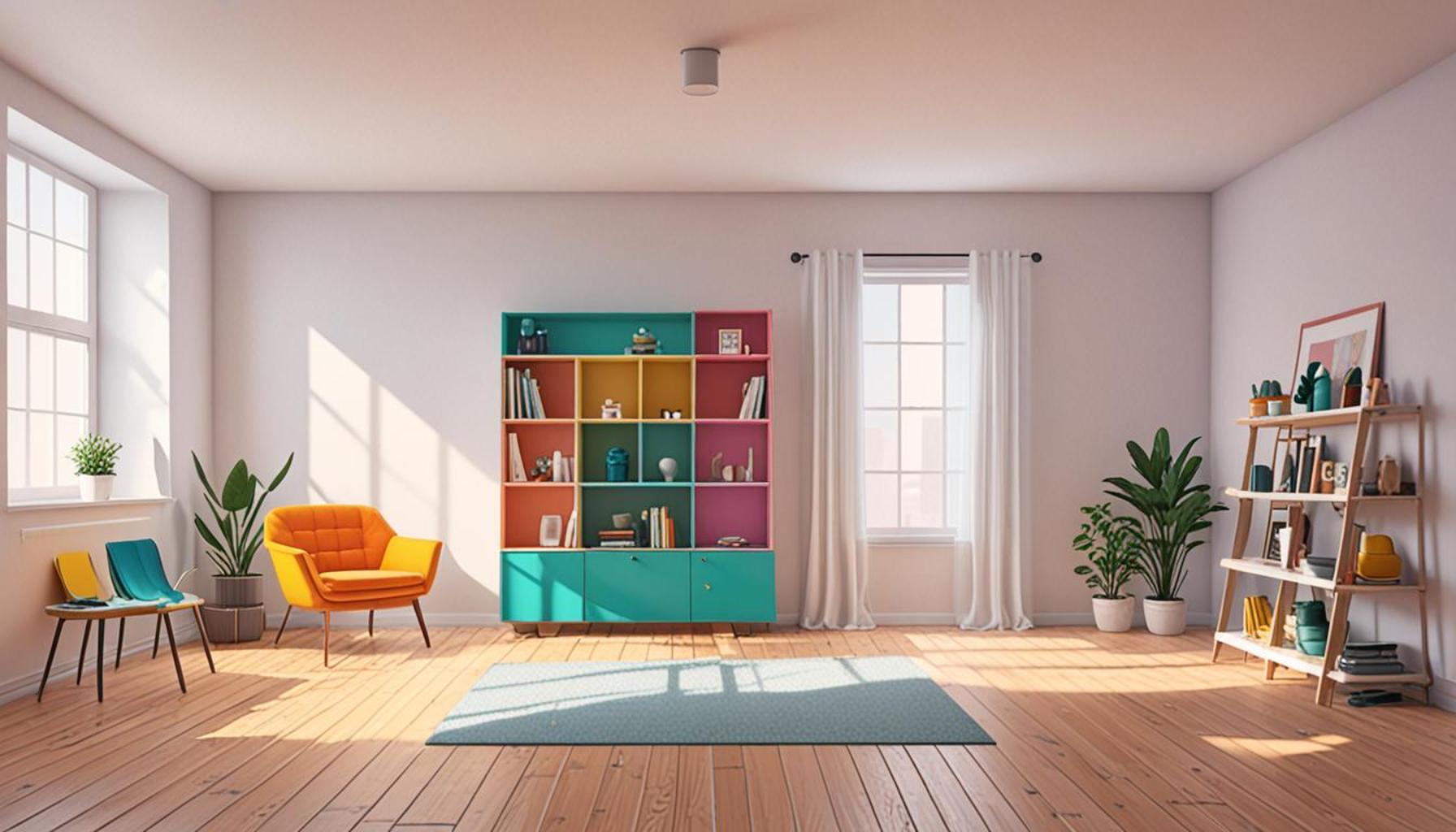
Minimalist Personal Organization: Creating a Space that Reflects Your Self-Confidence

The Impact of Your Surroundings on Mental Well-being
Have you ever felt overwhelmed or distracted in a cluttered room? It’s a common experience that points to the powerful connection between our environment and our mental state. Psychological studies suggest that our surroundings significantly affect our mood and productivity. By adopting a minimalist space, individuals can eliminate distractions, enhance feelings of empowerment, and cultivate a boost in self-confidence. The process of organizing doesn’t just declutter physical items; it can create a profound shift within yourself as well.
Understanding Minimalism and Its Value
At its core, minimalism promotes an intentional lifestyle focused on simplicity. This approach helps illuminate what truly holds value in our lives. Here are a few compelling reasons why a minimalist lifestyle can be life-altering:
- Enhanced Clarity: By minimizing physical clutter, your mind can achieve better clarity, aiding in decision-making and creativity.
- Reduced Stress: A tidy environment often equates to a tidy mind. Less clutter can lead to reduced anxiety levels, fostering a calming atmosphere.
- Improved Focus: When distractions are removed, you can center your attention on what genuinely matters—be it work, family, or personal goals.
Practical Steps Towards a More Organized Life
Implementing minimalist principles doesn’t have to be a daunting task. Here are several foundational steps to kickstart your journey:
- Assess Your Belongings: Take an inventory of your items and ask yourself what serves a true purpose. This could be clothes that haven’t been worn in years or kitchen gadgets collecting dust.
- Make Thoughtful Choices: Donate or dispose of items that no longer resonate with you. Keeping only those that spark joy or utility can renew your space and your mindset.
- Create Functional Spaces: Establish designated areas for different activities. For example, having a specific nook for reading can enhance focus and enjoyment in that activity.
Embarking on a minimalist journey is about more than just eliminating possessions; it is about curating an environment that authentically represents who you are. Your space should be a reflection of your values and aspirations, fostering a sense of self-confidence and serenity. Discovering how minimalism can reshape your surroundings might inspire you to investigate further and embrace this transformational lifestyle. Ultimately, a thoughtfully organized space can lead to profound changes, not just at home, but in all facets of your life.
DISCOVER MORE: Click here to enhance your emotional well-being
Transforming Your Space: The Foundation of Minimalism
Creating a minimalist personal organization system starts by understanding the fundamental principles of minimalism. It invites individuals to prioritize intentional living, encouraging the idea that less can indeed be more. The process is not just about getting rid of excess; it’s deeply rooted in the quest for authenticity and clarity. To genuinely reflect your self-confidence, your space must be a true sanctuary that aligns with your values and goals.
The Psychological Benefits of a Minimalist Space
Numerous studies have underscored the psychological advantages of organizing your environment through a minimalist lens. Those living in minimalistic spaces often report an increase in overall well-being, particularly in areas related to self-esteem and empowerment. Here are some psychological benefits to consider:
- Increased Self-Awareness: When you pare down your possessions, you gain a clearer insight into what you truly value. This self-awareness spills over into other areas of life, enhancing self-confidence.
- Empowered Decision-Making: Choosing what to keep means making thoughtful decisions about your belongings, which can lead to a greater sense of control and autonomy in your life.
- Heightened Creativity: A clean, uncluttered space can inspire creativity. When distractions are minimized, your mind has the freedom to explore new ideas and possibilities.
Mindful Organization Techniques
When it comes to achieving a minimalist environment, several mindful techniques can help guide your organizing efforts. Implementing these strategies can not only clear physical space but can also serve as a therapeutic exercise for your mind:
- Set Clear Intentions: Before you start decluttering, take a moment to set clear intentions for your space. What do you hope to achieve? How do you want to feel in this environment?
- Adopt the 90/90 Rule: A useful guideline for minimalism is the 90/90 rule: If you haven’t used an item in the last 90 days and don’t plan to use it in the next 90 days, consider letting it go.
- Non-Tangible Clutter: Remember that clutter isn’t just physical. Consider your digital spaces as well. Organizing your digital files can lead to enhanced productivity and mental clarity.
As you embark on the journey towards minimalist personal organization, consider that this process is not merely about aesthetics; it’s an opportunity to reshape your identity and boost your self-confidence. Ultimately, a well-organized space nurtures a positive self-image and fosters personal growth. With each item you retain or release, you are not just creating a home; you’re crafting a reflection of who you are and who you aspire to be.
Minimalist Personal Organization: Creating a Space that Reflects Your Self-Confidence
As we delve deeper into the realms of minimalist personal organization, it’s essential to understand how it can significantly shape our environment and, in turn, our self-perception. A well-organized space not only enhances productivity but also cultivates a strong sense of self-confidence.
Minimalist organization encourages you to streamline your belongings and focus on what truly matters. By decluttering your physical space, you simultaneously declutter your mind, leading to improved concentration and reduced stress levels. The result is an atmosphere that resonates with calm, creativity, and clarity.
Moreover, embracing a minimalist approach in personal organization can empower you to make deliberate choices about your possessions. Each item you choose to keep should serve a purpose or bring you joy, reflecting your unique identity. This intentional curation of your space can bolster your self-esteem, as it fosters a feeling of control over your surroundings.
| Category | Description |
|---|---|
| Mental Clarity | Streamlining items reduces visual clutter, creating a peaceful environment. |
| Increased Productivity | An organized space allows for better focus and efficiency in completing tasks. |
Furthermore, minimalism in personal organization serves as a catalyst for personal growth. As you begin to prioritize meaningful items, you heighten your awareness of what aligns with your values and aspirations. This knowledge not only bolsters your self-confidence but also fosters a stronger sense of identity.
Incorporating minimalist strategies into your daily routine can be a transformative journey. Start small, with one area at a time, and celebrate each milestone. As your space evolves, so will your confidence and clarity, creating a ripple effect that influences all aspects of your life.
DIVE DEEPER: Click here to learn about creating spaces that enhance mental well-being
Cultivating a Minimalist Mindset: Beyond Physical Space
While minimalist personal organization emphasizes the physical aspects of our environments, it is equally important to nurture a minimalist mindset. This mental shift encourages individuals to filter out the noise that often clouds judgment and self-perception. By adopting this mindset, you can make empowered choices that resonate with your values and aspirations, further enhancing your self-confidence.
The Role of Mindfulness in Minimalism
Mindfulness plays a crucial role in the minimalist journey, urging individuals to be present and intentional. This practice encourages you to reflect on your current state and your long-term goals. Engaging in mindfulness activities, such as meditation or journaling, can bolster decision-making skills, leading to a more organized personal space. Here are some ways mindfulness intertwines with minimalism:
- Enhanced Focus: By practicing mindfulness, you cultivate the ability to direct your attention toward what truly matters, whether it be in your environment or personal goals. This heightened focus allows you to let go of distractions and stay aligned with your intent.
- Reduced Anxiety: A cluttered space often leads to a cluttered mind. Embracing mindfulness can help mitigate the anxiety associated with decision fatigue and overwhelm, clearing the path to a more organized home.
- Intentional Living: Mindfulness fosters a deeper understanding of how each item in your space aligns with your identity. This awareness enables you to make thoughtful choices about what to keep or release.
Design Principles for a Minimalist Environment
Creating a minimalist space that mirrors your self-confidence involves implementing specific design principles. The proper arrangement of your surroundings can significantly influence your mood and productivity. Here are essential design principles to consider for an empowering minimalistic environment:
- Functionality Over Aesthetics: While aesthetics can enhance an environment, prioritizing functionality is essential in a minimalist organization. Aim for items that serve a purpose and enhance your daily activities.
- Neutral Color Palettes: Utilizing subdued and neutral color schemes can create a calm and inviting atmosphere. Shades such as whites, greys, and earth tones are energizing yet grounding.
- Open Spaces: Allow for visual and physical breathing room by keeping spaces open and airy. This openness gives a sense of freedom and encourages creativity and exploration.
Incorporating these design elements can establish a sanctuary that instills a feeling of self-assurance. Your environment becomes a reflection of your personal values—one that supports a life of purpose and clarity. As you adjust elements within your surroundings, remember that every change is a step towards fortifying your identity.
Community and Support in Minimizing
Lastly, the journey toward minimalism is often enhanced through community engagement and mutual support. Surrounding yourself with like-minded individuals can provide encouragement and inspiration. Consider joining local or online groups focused on minimalist lifestyles, where experiences and strategies are shared. Here’s how community involvement can bolster your minimalist journey:
- Accountability: Connecting with others on a similar path can instill a sense of responsibility and commitment to your goals, encouraging you to progress.
- Resource Sharing: Communities can provide resources, tips, and tricks to enhance your minimalist efforts, making the process less daunting.
- Emotional Support: Engaging with others allows you to share challenges and victories, fostering a sense of belonging that uplifts your self-esteem.
By weaving these threads together—integrating mindfulness, thoughtful design, and community support—you can cultivate a minimalist personal organization system that not only reflects your self-confidence but also enriches your overall experience of life.
DISCOVER MORE: Click here to learn about the emotional benefits of minimalism
Conclusion: Embracing Minimalism for a Confident Future
In today’s fast-paced world, the journey toward minimalist personal organization transcends mere decluttering; it becomes an empowering path to cultivate a true sense of self-confidence. By embracing the principles of minimalism—whether through mindfulness practices, intentional design choices, or community support—you can create an environment that authentically mirrors who you are.
As you clear out the physical and mental clutter, remember that each decision strengthens your ability to make choices that align with your values and aspirations. The mindful reflection on what you keep around you transforms your space into a sanctuary that fosters growth, creativity, and clarity. It allows you to embrace intentional living, ensuring that your surroundings become a source of inspiration rather than distraction.
Engaging with a community that shares your journey further amplifies your efforts; the shared experiences and accountability offer motivation and encouragement. This support network can serve as a foundation, reinforcing your confidence as you navigate the transformative process of minimalism.
Ultimately, the essence of creating a space that reflects your self-confidence lies in your willingness to embrace simplicity, allow room for personal growth, and honor your unique identity. As you organize both your physical and mental space, take heart in knowing that each step forward is not just about less—it is about becoming more of the person you aspire to be, fostering profound self-assurance that radiates throughout every aspect of your life.