
Boost Self-Esteem with Minimalist Living Practical Space Organization
Introduction
In a world that often glorifies excess, embracing minimalism has emerged as a powerful antidote. This lifestyle not only challenges us to consider what we truly need but also encourages a deeper understanding of our environment’s impact on our mental and emotional well-being. By simplifying our surroundings, we can not only reduce clutter but also enhance our mental clarity and boost self-esteem. Numerous studies suggest that a decluttered space often translates into a decluttered mind, leading to less stress and anxiety. Understanding the connection between our environment and our self-image can transform how we perceive both ourselves and our lives.
Personal organization plays a crucial role in this journey. When our spaces are tidy and intentional, we may find ourselves feeling more in control and confident. An organized environment fosters a sense of responsibility and accountability, which can trickle into other areas of life, promoting productivity and efficiency. By adopting minimalistic strategies, it becomes possible to create an atmosphere that promotes self-acceptance and empowerment.
The benefits of minimalism extend beyond physical spaces; they impact mental and emotional realms. Minimalism teaches the importance of valuing experiences over material possessions, which can lead to genuine contentment and happiness. This adjustment in mindset may encourage more meaningful interactions and relationships, as the focus shifts from owning things to cherishing moments.
Throughout this article, we will explore the top five practical strategies for developing a minimalist mindset that directly boosts your self-esteem through effective space organization. These strategies offer more than just organization tips; they provide actionable insights that can lead to transformative change and a more fulfilling life. Prepare to delve into these compelling strategies, potentially sparking inspiration for a holistic approach to minimalism.
Top 5: Developing a Minimalist Mindset – Practical Strategies to Boost Self-Esteem Through Personal Space Organization
In a world overflowing with distractions and material possessions, the need for simplicity and purpose is more pertinent than ever. The pursuit of a minimalist mindset is a compelling journey towards finding clarity and enhancing self-worth through the organization of personal spaces. This approach is not merely about discarding excess but about creating an environment that supports your mental and emotional well-being. Here we explore the top five strategies to cultivate a minimalist mindset, intrinsically linked to boosting your self-esteem.
5. Decluttering: The Foundation of Minimalism
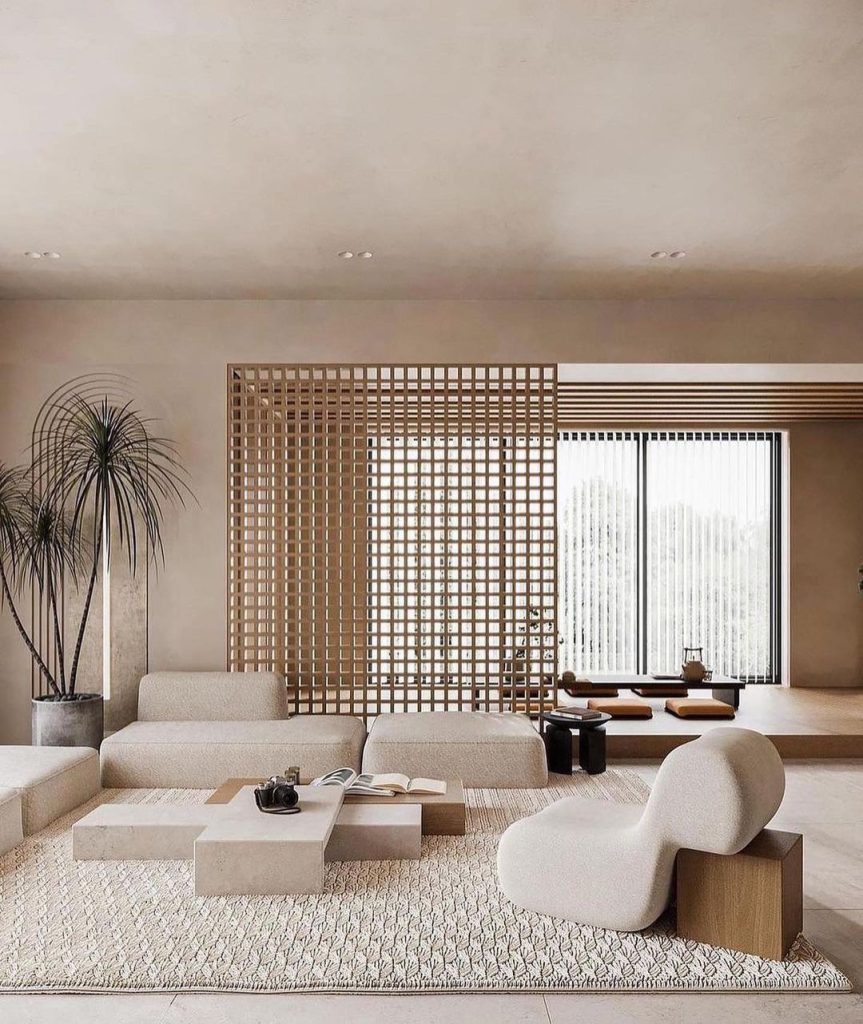
At the heart of minimalism lies decluttering, a cathartic process of letting go of possessions that no longer serve you. It’s about freeing yourself from the burden of excess and creating a mental space where clarity can flourish. Begin with one area—perhaps your closet or bookshelf—as a starting point. The goal is to scrutinize each item, assessing its true value in your life. Does that sweater bring joy, or does it sit unseen, taking up precious space?
To streamline your journey, consider these steps:
- Focus on specific categories like clothing, kitchen tools, or paperwork.
- Utilize a timer, dedicating 15-30 minutes to prevent burnout or overwhelming decisions.
- Embrace decisiveness; trust your instinct rather than ruminating over each item.
As you release what you don’t need, you’ll find an immediate uplift in self-esteem—your environment transforms to reflect a reality you have consciously chosen.
4. Creating Functional Spaces
After clearing excess, the next aspiration is creating functional spaces tailored to your lifestyle’s rhythm. A functional space acts as more than a backdrop; it supports and enhances your daily activities, whether they involve work, relaxation, or socializing. Think of a home office strategically arranged for productivity or a living room conducive to creativity and connection.
Here are some insightful tips:
- Favor multi-functional furniture that incorporates storage solutions.
- Allocate distinct areas for specific activities like reading corners or relaxation zones.
- Enhance spaces with elements like plants and art that spark joy and tranquility.
When your home’s layout is intentional, it reiterates your sense of purpose and can dramatically improve your self-esteem by reflecting your values back to you.
3. Mindfulness in Organization
Adopting a minimalist mindset involves more than tidying up; it requires a shift in awareness. Integrating mindfulness into your organizational endeavors can deepen your connection with your space. This practice invites you to be fully present, to notice the emotional and psychological impact each item has on you.
Incorporate these mindfulness techniques:
- Start organizing sessions with a few calming breaths to ground your emotions.
- Examine your feelings and memories that belongings evoke—acknowledge whether they contribute positively to your life.
- Imagine your ideal space, guiding your efforts by how you want it to feel and function.
Mindfulness brings a deeper understanding of how your environment influences your mental state, which, in turn, supports a healthy self-image and confident decision-making.
2. Establishing Routine and Habits
It’s not enough to organize once; the true magic lies in maintaining that order through consistent routines and habits. Establishing a reliable sequence for upkeep can help solidify your commitment to minimalism, minimizing the need for periodic overhauls.
Consider embedding these routines:
- Dedicate a set time each day, even 10-15 minutes, to tidy up and maintain order.
- Create landing zones for frequently misplaced items like keys or incoming mail.
- Plan regular, quarterly, or seasonal decluttering sessions to sustain space clarity.
Routines cultivate a sense of achievement and control over your environment, crucial elements of self-esteem. Knowing you can manage and maintain your personal space empowers every other area of your life.
1. Reflecting on Personal Values
Finally, a minimalist mindset flourishes with the realization and reflection upon your personal values. Understanding what truly matters to you provides a compass to guide your organizational efforts, transforming your surroundings into a reflection of who you genuinely are.
To align your space with your essence:
- Identify your core beliefs and the sources of your joy and fulfillment.
- Keep items that resonate deeply with those values, elevating your everyday environments.
- Regularly evaluate your possessions to ensure harmony with your ever-evolving values.
When your space embodies your personal principles, it supports your mental clarity and emotional fortitude, providing a substantial boost to your self-esteem.
Implementing these strategies propels you on the journey of minimalism, moving beyond the superficial reduction of belongings to a meaningful reorganization of life itself. As your environment aligns with your internal values and needs, you’ll likely find a renewed sense of confidence and self-worth, paving the way for a life enriched with purpose and peace.
| Category | Details |
|---|---|
| Clutter Reduction | By removing unnecessary items, individuals can create a clearer space, leading to improved mental clarity and organization. |
| Emotional Liberation | Minimalism enables emotional healing by detaching from material goods, fostering a sense of freedom and reducing anxiety over possessions. |
| Enhanced Focus | A minimalistic environment aids concentration, as it eliminates distractions, allowing for a stronger focus on personal projects and goals. |
| Boosting Self-Esteem | Organizing personal spaces can result in a significant boost in self-esteem, as achieving order instills a sense of accomplishment and control in one’s life. |
The concept of developing a minimalist mindset is intricately tied to the notion of emotional freedom. The profound act of decluttering not only allows for a more organized physical space but also paves the way for emotional liberation. As individuals begin to detach from their material possessions, they may experience a striking sense of relief. This detachment fosters a liberating feeling, where the burdens of ownership and the anxiety surrounding accumulation start to dissipate. Minimalism encourages individuals to examine their relationships with objects, leading them to prioritize what genuinely adds value to their lives.In addition to emotional advantages, the minimalist approach can significantly impact cognitive function. A clean, uncluttered space inherently promotes enhanced focus. When distractions are minimized, an individual can allocate mental resources to activities that foster creativity and productivity. Whether working on personal projects or pursuing higher goals, the clarity that arises from a minimalistic environment can propel progress in ways that are both tangible and immeasurable.Furthermore, the act of organizing and simplifying one’s space can serve as a pivotal source of self-esteem enhancement. Successfully navigating the decluttering process instills a profound satisfaction in individuals as they reclaim control over their environments. This accomplishment acts as a key motivator for embracing further positive changes in life, creating a domino effect that can lead to improved well-being and fulfillment. Through the minimalist lens, the act of organization transcends mere physical alteration, becoming a transformative process that nurtures both the mind and spirit. As individuals take on these practical strategies, they will likely find themselves not only creating a more aesthetically pleasing space but also fostering a healthier mindset towards life’s challenges.
Frequently Asked Questions on Minimalist Mindset and Self-Esteem
How does minimalist living contribute to higher self-esteem?
Minimalist living promotes a focus on the essential, both in the physical and mental realms. By reducing clutter and organizing personal spaces, individuals can reduce feelings of overwhelm and anxiety. This translates into a clearer mind, fostering a sense of accomplishment and control, which is crucial for boosting self-esteem. Additionally, the act of decluttering can empower individuals, giving them the confidence to make decisions about what truly adds value to their lives.
What are some practical strategies for organizing a personal space?
Start by identifying the areas in your personal space that cause stress or distraction. Utilize the three-box method: one for keeping, one for donating or selling, and one for discarding. Regularly review the items you keep to ensure they still serve a purpose or bring joy. Establish consistent organizational systems, such as designated places for essentials and daily cleaning routines, to maintain the tidiness and order that supports a minimalist lifestyle.
Can minimalism benefit mental health other than boosting self-esteem?
Yes, embracing minimalism can positively impact mental health beyond self-esteem. It encourages a more intentional lifestyle, which can reduce stress and increase mindfulness. Less physical clutter can lead to less mental clutter, creating an environment conducive to relaxation and focus. Furthermore, the practice of minimalism often involves evaluating personal values and goals, leading to greater life satisfaction and reduced levels of stress and anxiety.
Is it necessary to radically decrease my possessions to develop a minimalist mindset?
No, it is not necessary to deplete your possessions radically. Minimalism is more about quality over quantity. The aim is to retain items that serve a purpose or bring joy and to let go of those that do not contribute positively to your life. Starting small, such as with a single room or category of items, can make the process more manageable and less daunting. The key is to develop a mindset of intentionality and simplicity.
Conclusion
Adopting a minimalist mindset can be a transformative journey, significantly enhancing self-esteem through the strategic organization of personal space. As discussed, embracing minimalism allows individuals to focus on what truly matters, fostering a deeper connection with their environment and, ultimately, themselves. By reducing clutter and making conscious decisions about possessions, one can create a serene living space that reflects personal values and priorities.
The minimalist approach is not just about reducing physical items but also about simplifying mental and emotional aspects. It encourages us to evaluate our attachments to material objects and understand how they impact our mental well-being. This reflection often leads to a more fulfilled, confident self, as we free ourselves from unnecessary burdens and distractions.
Key Strategies
- Prioritize items that bring joy and serve a purpose, enhancing your space’s utility and aesthetics.
- Regularly declutter to maintain a harmonious environment that promotes mental clarity and peace.
- Implement organizational systems that are both functional and sustainable, ensuring long-term order.
- Be mindful of new acquisitions to prevent renewed clutter and maintain the minimalist ethos.
- Incorporate mindfulness practices to support this lifestyle, enhancing self-awareness and personal growth.
In essence, developing a minimalist mindset is a powerful tool for boosting self-esteem. It compels us to reevaluate our relationships with our possessions and ourselves, leading to a more conscious and intentional life. As we organize our personal space, we pave the way for greater clarity, confidence, and contentment. Continuing this journey opens the door to endless possibilities for personal enrichment and transformation, encouraging readers to explore further into the world of minimalism and its profound impact on well-being.