How Minimalism Boosts Emotional Resilience in Crisis Times

The Art of Minimalism: Navigating Chaos with Clarity
In today’s fast-paced world, where distractions vie relentlessly for our attention, the principle of minimalism emerges as a beacon of simplicity and focus. Beyond merely clearing away clutter from our physical spaces, minimalism serves as a transformative mindset, reshaping our approach to life’s inevitable disruptions. In times of crises, embracing minimalism can bolster our emotional resilience, enabling us to more effectively handle stress and unforeseen challenges.
Minimalism challenges us to evaluate what holds genuine importance in our lives, peeling away layers of excess to get to the heart of what truly sustains us. This process isn’t confined to our possessions. It prompts a deep-dive into our relationships, commitments, and priorities, urging us to realign with our core values.
The Intersection of Minimalism and Emotional Strength
By integrating minimalist principles, we can foster a mindful approach to our emotional and mental well-being. The simplicity it promotes allows us to prioritize our mental health and break down complex problems into manageable segments. This intentional focus cultivates a more resilient mindset, equipping us with the tools to weather emotional storms more effectively.
Practical Steps to Integrate Minimalism
To harness the power of minimalism in fortifying emotional resilience, consider these Top 5 practical strategies:
- Declutter Your Environment: Start by tidying up your personal spaces. Removing physical clutter can lead to enhanced concentration and a increased sense of calm.
- Prioritize Meaningful Connections: Cultivate relationships that add value to your life, focusing on quality over quantity.
- Simplify Daily Routines: Streamline your daily habits to minimize decision fatigue and increase mental space.
- Practice Mindful Consumption: Limit distractions by being selective about the information and content you consume.
- Set Clear Priorities: Regularly reassess your goals to ensure they align with your core values and current needs.
By embedding these minimalist strategies into our everyday lives, we position ourselves to respond with agility and strength when facing life’s unpredictable challenges. Therefore, exploring minimalism isn’t just a choice; it is an essential strategy to navigate the complexities of modern living.
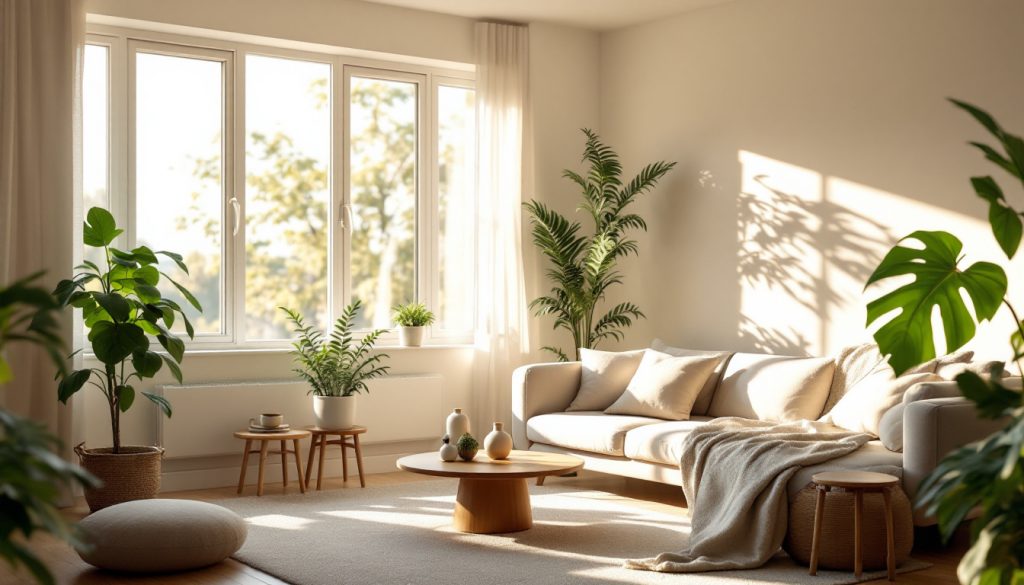
Top 5 Ways Minimalism Can Strengthen Emotional Resilience in Times of Crisis
In a fast-paced world teeming with uncertainties and continuous challenges, emotional resilience has emerged as a critical skill. For many, the practice of minimalism, traditionally viewed as an aesthetic pursuit, is now being embraced as a profound lifestyle change designed to enhance mental well-being. This article delves into the top five ways minimalism can fortify emotional resilience during challenging times.
5. Decluttering Your Mind
At the heart of minimalism lies the principle of decluttering, which initially focuses on reducing physical possessions but extends much deeper. By eliminating excess possessions, we clear our environments, and in turn, declutter our minds. This process of letting go is incredibly liberating, instilling in us the ability to distinguish between the essential and non-essential, thus leading to reduced anxiety and enhanced focus.
- Physical space: A clean, organized living space can lead to a more orderly and calmer mindset.
- Reduction of noise: By limiting distractions, we create room for introspection and understanding of our thoughts and emotions.
- Increased clarity: With fewer choices, decision-making becomes easier and less overwhelming.
When faced with crises, feeling mentally uncluttered allows us to remain grounded and make clear, impactful decisions. A decluttered mindset is a powerful ally, granting us the advantage of enhanced emotional resilience.
4. Learning to Appreciate Simplicity
Minimalism encourages an appreciation for the simple joys life offers, which are often overshadowed during times of crisis. By focusing on what we have rather than what we lack, we cultivate a profound sense of gratitude. This shift in perspective fortifies emotional resilience, helping us navigate through tumultuous times with grace and an appreciative heart.
The advantages of embracing simplicity are manifold:
- Mindfulness: Practicing mindfulness helps us remain present, allowing us to recognize and cherish the small blessings in everyday life.
- Stress reduction: With fewer distractions, we experience lower stress levels and a greater sense of peace.
- Emotional grounding: Gratitude provides a solid emotional foundation that helps weather emotional storms.
During difficult times, even a simple word of thanks for the little things can become a fortress of strength.
3. Building Stronger Relationships
Minimalism transcends the realm of material possessions, touching upon the relationships we nurture. By emphasizing quality over quantity, we can forge deeper connections with those who truly matter. Strong social support is a vital component of emotional resilience, and minimalism inspires us to concentrate our energy on building meaningful relationships.
Consider the following elements:
- Intentionality: Delving deeply into meaningful interactions with fewer people can result in more fulfilling relationships.
- Emotional availability: Releasing superficial connections creates space for those who genuinely enhance our lives.
- Support networks: Having robust connections allows us to draw emotional strength during challenging times.
Amid crises, knowing we have a network of solid emotional anchors is invaluable, providing support and reassurance.
2. Fostering a Sense of Control
In crisis situations, a feeling of loss of control is commonly experienced. Embracing minimalism can restore a sense of agency, by encouraging individuals to manage their environments and make deliberate choices. This regained sense of control contributes to bolstering emotional resilience, empowering people to confront challenges with confidence.
- Decision-making: With fewer possessions, decision-making becomes streamlined, aiding in quick and efficient choices.
- Goal setting: Minimalism helps define personal values and objectives, guiding our actions.
- Action-oriented mindset: Taking small, intentional steps leads to meaningful impacts, even in the face of crises.
This mastery over our domain fosters confidence in confronting adversities while cultivating effective coping strategies.
1. Cultivating Mindfulness Through Minimalism
Perhaps the most profound impact of minimalism on emotional resilience is through the cultivation of mindfulness. Minimalism teaches us to live intentionally and remain present. During a crisis, mindfulness becomes a vital tool, enabling us to observe our feelings, acknowledge our fears, and find our center.
The core aspects of mindfulness through minimalism include:
- Awareness: An understanding of our thoughts and actions allows us to better respond to stress.
- Acceptance: Embracing a wide range of emotions fosters growth and resilience.
- Stress management: Mindfulness practices, such as meditation, significantly reduce anxiety and keep us grounded.
By grounding ourselves in the present moment, minimalism and mindfulness together offer a pathway to navigating life’s upheavals with a steadier and more composed mind.
In conclusion, minimalism holds power beyond simplicity and organization. It offers a framework for amplifying emotional resilience, equipping individuals with the tools needed to face life’s challenges head-on. By adopting minimalism, we enrich our lives, create space for what truly matters, and prepare ourselves to better navigate the complexities of an uncertain world.
| Category | Details |
|---|---|
| Emotional Clarity | Minimalism encourages the elimination of distractions, leading to greater emotional awareness and clarity during challenging times. |
| Stress Reduction | A minimalist lifestyle can significantly reduce stress levels by simplifying decision-making processes and prioritizing essential needs over desires. |
| Focus on Values | By adopting minimalism, individuals can align their life more closely with their core values, which is vital for emotional resilience, especially in tough situations. |
| Improved Relationships | Minimalism often leads to deeper connections with others, as it shifts focus from material possessions to meaningful interactions and relationships. |
The shift towards minimalism can be a transformative journey. As individuals strip away the non-essential from their lives, they gain a clearer perspective on what truly matters. This clarity can foster resilience by enabling a more profound emotional understanding during periods of turmoil. In a world inundated with choices and possessions, minimalism offers an antidote – a path to a simplified existence that can buffer against the stresses of contemporary life.Moreover, by reducing the mental clutter that often accompanies material excess, people can experience a tangible decrease in stress. The focus on essentials not only alleviates the burden of decision fatigue but also allows for a more intentional way of living that can be deeply comforting in times of crisis. The prioritization of necessities over luxuries becomes a grounding practice. Embracing minimalism also means reflecting on one’s values and ensuring that lifestyle choices are in alignment with those values. This reflection can lead to a more authentic life, which is necessary for maintaining emotional strength against external pressures. Each deliberate choice towards simplicity becomes a statement of resilience, reflecting a deeper commitment to personal well-being.Finally, as relationships often become strained during difficult periods, minimalism can act as a catalyst for nurturing deeper, more meaningful connections. By focusing on interpersonal values rather than material wealth, individuals can foster networks of support that are crucial for emotional recovery. In essence, minimalism is not just about living with less; it is a powerful philosophy that can enhance emotional resilience, enriching lives in profound and lasting ways.
Frequently Asked Questions About Minimalism and Emotional Resilience
How can minimalism enhance emotional resilience during crises?
Minimalism can enhance emotional resilience by encouraging individuals to focus on what truly matters, reducing the clutter both physically and mentally. By simplifying life, people can concentrate on their emotional well-being and have more energy to face challenging times. This approach can lead to a stronger sense of control and calm, as individuals are less overwhelmed by unnecessary distractions.
Is it necessary to eliminate all possessions to practice minimalism?
No, it is not necessary to get rid of all possessions. Minimalism is about intentionality and prioritizing what adds value to your life. It’s more about reducing excess and making deliberate choices rather than adhering to strict rules about ownership. Some people find it beneficial to retain items that provide joy or serve a functional purpose, helping them feel more secure and stable during crises.
Can minimalism affect mental health positively?
Yes, minimalism can positively affect mental health by reducing stress and anxiety linked to clutter and disorganization. A minimalist lifestyle can lead to a clearer mind, better focus, and enhanced decision-making capabilities. By living more intentionally, people might find themselves feeling more content and less burdened by external pressures. Research suggests that a decluttered environment may lower cortisol levels, the hormone associated with stress.
How can one start embracing minimalism without feeling deprived?
To begin embracing minimalism, start small. Focus on decluttering a single room or even a drawer, and gradually expand your efforts as you grow more comfortable with the process. Assess what truly contributes value to your life, and prioritize these items or activities. Remember, minimalism is a personal journey, and it’s important to adapt its principles in a way that feels right and sustainable for you.
Are there any potential downsides to adopting a minimalist lifestyle?
While minimalism offers numerous benefits, some individuals might struggle with the idea of letting go or fear not having enough. It is essential to approach minimalism with a balanced mindset to avoid feelings of deprivation. For some, the radical reduction of possessions may not be suitable, especially if certain items hold significant emotional or practical importance. Understanding your own needs and boundaries is crucial to reaping the emotional benefits of minimalism.
Conclusion
In an era marked by constant upheaval and uncertainty, embracing minimalism can serve as a powerful strategy for enhancing emotional resilience. This article has explored the profound impact of adopting a minimalist lifestyle, underscoring its ability to simplify our surroundings, reduce stress, and foster a more profound sense of clarity and purpose. Minimalism encourages individuals to focus on what truly matters, stripping away the non-essential and nurturing a mindset that is both adaptable and resilient in the face of crisis.
One of the main takeaways is the way minimalism allows individuals to streamline their lives, cutting through the clutter to find peace and clarity. This newfound focus not only diminishes anxiety but also boosts one’s capability to cope with unforeseen challenges by cultivating a sense of control and mindfulness. Furthermore, by reducing material possessions and commitments, people free up time and mental space to concentrate on relationships and activities that significantly enhance their emotional well-being.
Moreover, the principles of minimalism can inspire greater personal organization, leading to structured environments that promote productivity and mental calm. As the world continues to experience unprecedented changes, harnessing minimalism’s virtues can empower individuals to meet adversity with resilience. As readers delve deeper into the subject, they might discover that, beyond mere decluttering, minimalism offers a holistic approach, encouraging intentional living and fostering lasting emotional strength.
In conclusion, embracing minimalism not only enriches personal organization but also fortifies emotional resilience, making it an invaluable tool for weathering crises. By focusing on essentials and creating a life aligned with personal values, individuals can achieve a more balanced and fulfilling existence, even in the most challenging of times.