How simplicity in home decor can create a space that fosters mental tranquility
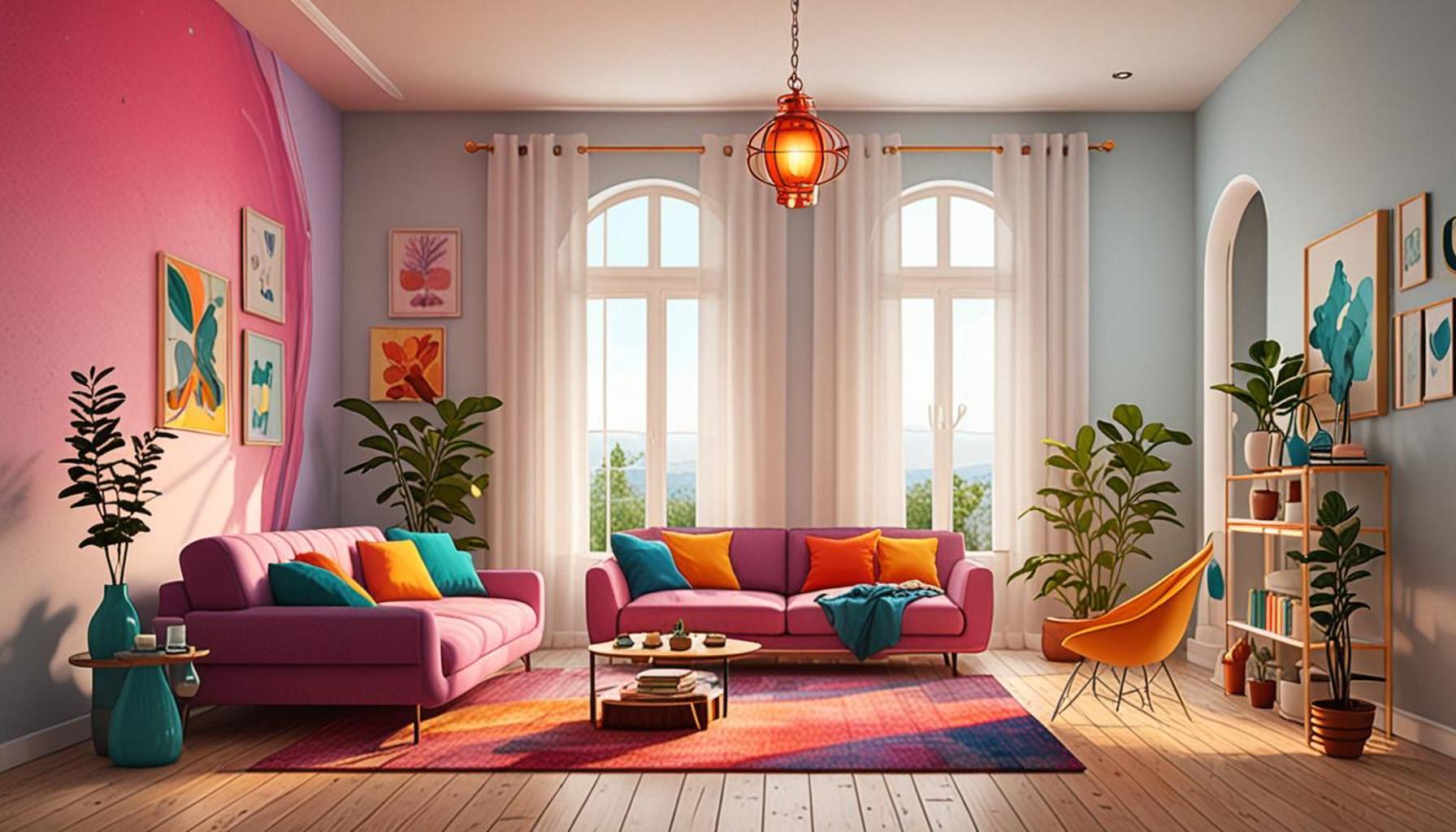
Creating Tranquil Spaces Through Thoughtful Design
In the hustle and bustle of modern life, finding ways to cultivate a serene home environment can make a significant difference in our mental and emotional well-being. With societal pressures that often lead to information overload and relentless schedules, the need for a tranquil home becomes more apparent. One effective way to counteract this chaos is through the art of simplicity in home decor, which focuses on the essentials while minimizing distractions.
One of the key elements in achieving a serene home is the use of neutral color palettes. Shades such as soft whites, warm beiges, and gentle pastels are renowned for creating a soothing atmosphere. These colors not only promote relaxation but also have the unique ability to make spaces feel larger and more open. For instance, a room painted in a light grey can serve as a blank canvas, allowing natural light to bounce off surfaces and creating a peaceful ambiance. By strategically choosing paint colors, homeowners can drastically change the emotional impact of their living spaces.
Another fundamental aspect of simple decor is the incorporation of natural materials. Items made from wood, stone, or fibers such as cotton and linen offer more than just aesthetic appeal; they create a tangible connection to nature. Adding elements like potted plants or wood furnishings can breathe life into a room while promoting a sense of grounding. For example, a well-placed fiddle leaf fig not only serves as an eye-catching piece but also purifies the air, contributing to a healthier environment.
The importance of decluttered spaces cannot be overstated. Studies have shown that clutter can significantly impact mental clarity, leading to heightened stress and anxiety levels. Embracing a minimalistic lifestyle by reducing excess items encourages a sense of order and clarity. This can be achieved by implementing storage solutions such as decorative boxes or sleek shelves. The act of regularly reassessing what we keep in our homes can be liberating, allowing us to cherish the items that truly matter while letting go of those that no longer serve a purpose.
Research suggests that adopting a minimalist approach can notably decrease anxiety levels. By focusing on quality over quantity, individuals can create environments that not only look beautiful but also foster emotional well-being. Thoughtful design choices paired with intentional living are essential for establishing spaces that prioritize mental tranquility.
Ultimately, redefining your home’s aesthetic to embrace simplicity is not merely a trend but a significant step towards a balanced life. It paves the way for an atmosphere conducive to unwinding, reflection, and rejuvenation. As you navigate the journey of home decoration, consider how these principles of simplicity can transform your living space into a personalized haven of tranquility. Are you eager to explore how these changes can enhance your quality of life within the comfort of your home?
DISCOVER MORE: Click here to learn how to create spaces that enhance your mental well-being
Simpler Spaces, Serene Minds
Creating a balanced and tranquil home environment begins with understanding how our surroundings influence our mental state. A thoughtfully designed space can be the antidote to the overwhelming stimuli that characterize our daily lives. By embracing simplicity in home decor, we can streamline our environments to promote tranquility and mindfulness. Here are some essential principles that highlight how simplicity in home decor can lead to a more peaceful living experience.
Emphasizing Functionality
When decor choices prioritize function alongside aesthetic appeal, they cultivate an environment that feels cohesive and purposeful. For example, incorporating multi-functional furniture, such as ottomans that double as storage solutions or coffee tables with hidden compartments, can minimize clutter while adding utility. This strategic approach to furniture selection not only saves space but also invites a sense of clarity—the less cluttered a surface, the more visually peaceful it appears.
The Power of Minimalism
Adopting a minimalist ethos enables homeowners to focus on meaningful decor and personal mementos rather than excessive ornamentation. Creating an intentional collection of items that resonate personally fosters greater appreciation for each piece, transforming the space into a gallery of memories rather than a pile of clutter. Consider creating a carefully curated display of your favorite photographs or artwork that includes only a few carefully chosen frames. This can enhance emotional connections while simultaneously promoting an atmosphere of calm.
Balancing Open Spaces and Cozy Nooks
One of the most effective strategies for achieving tranquility is to harmonize open spaces with cozy nooks for relaxation. A well-placed armchair or a simple reading corner adorned with soft cushions invites moments of reflection and relaxation amidst a generally open layout. To strike this balance:
- Invest in ample natural lighting: Use sheer curtains to allow sunlight to filter through, creating a bright and airy environment conducive to mental repose.
- Designate quiet areas: Set aside a distinct corner for hobbies such as reading, knitting, or meditative practices where one can unwind.
- Prioritize versatile layouts: Opt for layouts that allow flexibility, encouraging movement and flow throughout the home.
Furthermore, integrating elemental tranquility from nature, such as small water features or a simple indoor fountain, can enhance not only the visual appeal of a space but also serve as soothing white noise, reducing anxiety levels further. The calming sound of running water can effectively drown out distractions, promoting relaxation in your home sanctuary.
By embracing these design principles, individuals can cultivate a unique home environment marked by simplicity and serenity. As we navigate the demands of life, every small change counts in creating a refuge where we can recharge our minds and spirits.
Simplicity in home decor can significantly enhance mental tranquility by creating an environment that promotes relaxation and clarity. When our surroundings are clutter-free and thoughtfully arranged, it allows for a sense of peace, ultimately encouraging a tranquil state of mind. One of the key aspects of achieving this tranquility is the use of natural materials. Incorporating elements such as wood, stone, and textiles in natural colors can create a soothing atmosphere. These materials not only appeal to the senses but also establish a connection with nature, which has been shown to reduce stress and improve overall well-being.Additionally, a minimalist approach is crucial. By selectively choosing decor items and limiting the number of decorative elements, one can avoid overwhelming sensory stimulation. This philosophy aligns with the principle of “less is more,” where every piece serves a purpose, reflecting intentionality. As a result, the space becomes an extension of the individual’s values, fostering a more personalized retreat.Natural light also plays a vital role in enhancing simplicity. Maximizing daylight through unobstructed windows, light-colored walls, and open spaces can elevate mood and provide a sense of freedom within a home. Not only does natural light combat seasonal affective disorder, but it also brightens the environment, making it feel more positive and serene.In addition to aesthetics, simplicity in organization is paramount. Implementing smart storage solutions can declutter physical spaces while creating mental clarity. Organizing items in a way that is both functional and visually pleasing helps maintain the peaceful ambiance, allowing for a more serene experience in everyday life.By understanding the profound impact of simple decor, individuals can craft spaces that truly reflect their inner selves, thus providing a sanctuary from the chaos of the outside world. Each carefully chosen element promotes a harmonious atmosphere that nurtures mental tranquility, making your home a true haven.
DISCOVER MORE: Click here to uncover the benefits of minimalism
Color Choices and Textures that Soothe
The palette of colors in a home can significantly impact our mood and mental state. When seeking tranquility, it is essential to embrace soft, muted colors that evoke serenity rather than stimulation. Lighter shades of blue, green, and pastel colors create a calm foundation, reminiscent of nature, which naturally prompts relaxation. Studies have shown that environments painted in cool tones can lower heart rates and evoke feelings of peace.
Incorporating textural variety also plays a crucial role in achieving tranquility through simplicity. Natural materials like wood, linen, and cotton not only add warmth to a space but also create an inviting atmosphere. Textural elements like a soft throw blanket, wicker baskets, or a jute rug add layers without cluttering the visual space. This layered approach encourages tactile interactions, allowing individuals to engage with their environment, which can be particularly grounding during periods of stress.
The Role of Lighting
Lighting is another vital factor in crafting a tranquil home environment. The significance of ambience cannot be overstated; harsh, bright lights can create a jarring atmosphere, while warm, soft lighting can work wonders for mental well-being. Strategically placed light sources, such as floor lamps or table lamps with dimmers, can help to establish a cozy, welcoming vibe. Utilizing smart bulbs, which allow for easy adjustments to brightness and color temperature, can further enhance the adaptability of your home lighting.
Additionally, peppering the space with a few candles can introduce not only a gentle flicker of light but also the comforting scent of natural wax, such as soy or beeswax. The combination of soft lighting and fragrance can transform an ordinary evening into a peaceful retreat.
The Influence of Decluttering
Decluttering goes beyond aesthetics; it is a mental practice that fosters clarity and calm. Research suggests that overwhelming clutter can lead to increased stress and anxiety, making it essential to regularly assess your belongings. A simplified and organized home allows for mental space, enabling residents to focus on their daily activities with greater clarity.
To encourage a decluttering mindset, individuals can implement the one-in-one-out rule: for every new item brought into the home, an old item must leave. This practice not only reduces the overall volume of possessions but also helps instill mindfulness regarding consumer habits and the items we choose to surround ourselves with.
Creating Personalized Spaces
Aesthetic simplicity can be elevated by crafting spaces that genuinely reflect personal values and interests. By filling curated areas with items of significance—be it books, art, or plants—individuals can forge connections to their spaces, fostering a sense of belonging that greatly contributes to mental tranquility. Consider allowing a singular personal item to take center stage on a shelf or table, emphasizing its significance rather than allowing it to become lost among less meaningful decor.
Ultimately, a home designed with simplicity in mind not only reflects personal style but also opens a pathway to mental tranquility. By selecting colors, textures, lighting, decluttering, and personalization thoughtfully, individuals can create serene sanctuaries that offer refuge from the chaos of everyday life.
DIVE DEEPER: Click here to uncover more insights
Conclusion: Embracing Simplicity for Serenity
As we navigate through the challenges of modern life, the quest for mental tranquility becomes increasingly essential. Embracing simplicity in home decor offers a practical and aesthetic solution to foster a calming environment that nurtures our well-being. By making mindful choices in color palettes that evoke peace, layering textures that invite comfort, and utilizing warm lighting that creates a soothing atmosphere, we can transform our homes into sanctuaries of serenity.
The practice of decluttering not only minimizes distractions but also serves as a mental cleansing ritual, allowing individuals to focus on what truly matters. By implementing strategies like the one-in-one-out rule, we remain conscious of the impact our belongings have on our mental space. Furthermore, personalizing our environments with meaningful decor fosters a greater connection to our surroundings, deepening our sense of belonging and comfort.
Ultimately, simplicity in home decor is about more than aesthetics; it is an intentional approach to life that encourages mindfulness and reflection. As we curate our living spaces, let us remember that fostering an atmosphere of tranquility is a continuous journey. By implementing these principles, we not only create inviting spaces but also invite mental clarity, emotional balance, and a deeper appreciation for the moments we spend within our homes. In our pursuit of tranquility, the power of simplicity can never be underestimated.