Minimalist Personal Organization: Creating Spaces that Promote Mental Health
Understanding Minimalism in Personal Organization
In a fast-paced world overwhelmed with distractions and clutter, embracing minimalist personal organization can transform not just your space, but your mental well-being too. Adopting a minimalist approach allows individuals to strip away the non-essential, revealing a life of increased clarity, calmness, and productivity. It’s about prioritizing what truly matters, both in physical belongings and in the emotional and mental landscape.
Research indicates that our physical surroundings significantly affect our mental health. Studies have shown that a cluttered environment can result in heightened stress levels, making it challenging to focus and undermining overall well-being. Here are a few benefits of maintaining minimalist spaces:
- Reduces stress: A clutter-free environment can lead to lower anxiety levels. For example, a study conducted by the UCLA found that women who described their homes as cluttered were more likely to be depressed and fatigued. Eliminating excess items can create a serene ambiance that calms the mind.
- Increases focus: Less visual chaos enables better concentration on tasks. With fewer distractions, individuals find it easier to immerse themselves in their work or hobbies, ultimately enhancing productivity. Many professionals have reported that simplifying their workspace aids in completing tasks more efficiently.
- Enhances creativity: Simplified surroundings can free your mind to think more innovatively. Artists and designers often thrive in minimalist spaces as they foster open-ended thinking, allowing inspiration to flow unimpeded by clutter.
Importantly, minimalism isn’t just about removing items; it’s about making intentional choices that reflect what truly adds value to your life. This realization often leads to impactful changes in both your physical and mental space. Instead of accumulating possessions for the sake of it, minimalism encourages individuals to evaluate their belongings and keep only those that spark joy or serve a practical purpose. For instance, Marie Kondo’s tidying principles have inspired countless individuals across the United States to reconsider their relationship with their belongings.
As we delve deeper into the principles of minimalist personal organization, you will learn how to create spaces that not only look appealing but also support your mental health journey. Would you not feel more energized and inspired in a room that promotes light and freedom, rather than one bogged down by unnecessary items? Minimalism invites us all to explore the art of living with less, challenging ideas of consumerism in today’s society. Are you ready to discover this empowering way of life?
DISCOVER MORE: Click here to enhance your organizational skills
Principles of Minimalist Personal Organization
To effectively embrace minimalist personal organization, it is essential to understand and apply several core principles that can transform your living or working environment into a sanctuary for mental well-being. These principles are not just about decluttering; they are about creating spaces that foster a sense of peace, purpose, and intention.
1. Declutter with Purpose
One of the first steps in minimalist personal organization is to engage in purposeful decluttering. This involves a deep evaluation of your belongings, asking yourself vital questions: Does this item serve a purpose? Does it bring me joy? By responding honestly to these queries, you cultivate an environment that reflects your values and emotional state. As Marie Kondo famously advocates, keeping only items that “spark joy” can vastly improve your sense of tranquility, allowing you to focus on what truly matters.
2. Create Functional Zones
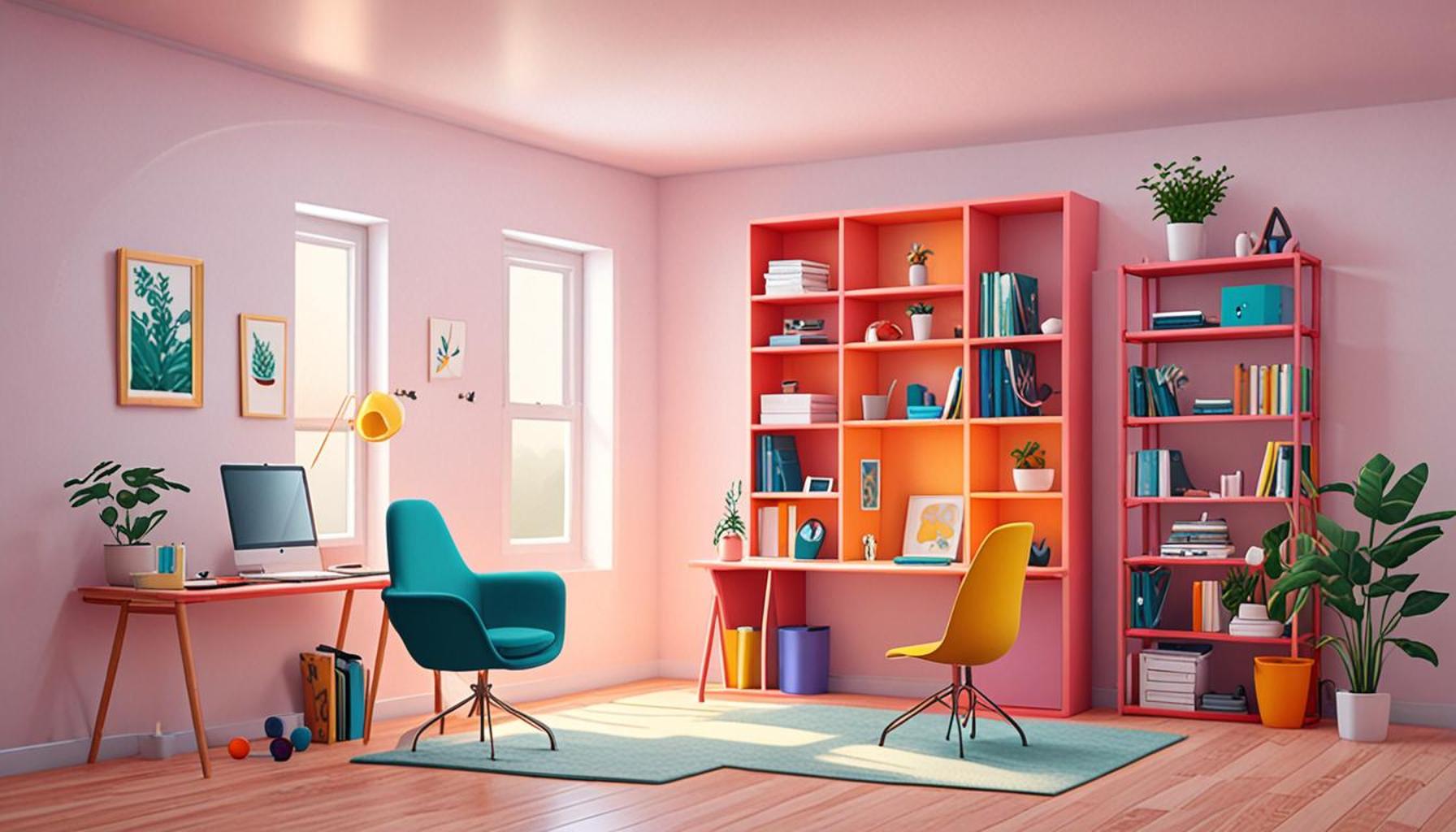
Another key to promoting mental health through minimalism is designing functional spaces that cater to specific activities. By creating designated zones for work, relaxation, and creativity, you can enhance your focus and productivity. For instance, consider how your workspace affects your performance. A cluttered desk can hinder creativity and lead to frustration. Conversely, a clean, organized workspace allows for better concentration and encourages a productive mindset.
- Workspace: Keep only essential tools and resources on your desk, and consider wall-mounted organizers to prevent clutter. This simplification can lead to improved workflow.
- Relaxation Area: Design a soothing corner with minimalistic furnishings, such as a comfortable chair and soft lighting, to encourage mindfulness and relaxation.
- Creative Niche: Allocate an organized spot for hobbies or projects that is free from distractions, fostering an environment that invites inspiration.
3. Emphasize Natural Light and Air
Integrating natural elements into your minimalist personal organization strategy can significantly enhance your mental health. Exposure to natural light boosts mood and cognitive function, while fresh air can invigorate and reset your focus. When organizing your space, prioritize windows and open areas that let in light. Consider indoor plants or greenery to not only beautify your environment but also to purify the air, adding life and vitality to your space.
The role of color should also not be underestimated in minimalist design. Neutral shades can evoke calmness while bold accent colors can inspire creativity. Striking a balance that aligns with personal preferences can significantly affect one’s emotional state.
4. Implement a Maintenance Routine
Minimalism is an ongoing practice; thus, establishing a maintenance routine is crucial for sustaining a decluttered environment. Regularly schedule time to reassess and rearrange your belongings. This practice not only keeps clutter at bay but also reinforces the habit of mindfulness in your lifestyle choices.
By understanding and implementing these minimalist principles, you pave the way to creating spaces that not only contribute to sustained organization but also elevate your mental health. As you navigate through this transformative journey, keep in mind that minimalism serves as a powerful tool emphasizing intentionality, clarity, and ultimately, a deeper connection to oneself.
| Advantages | Details |
|---|---|
| Enhanced Focus | A minimalist environment reduces distractions, helping maintain a clear mind and improving productivity. |
| Reduced Stress | Clutter-free spaces contribute to a sense of calm and well-being, promoting mental health and emotional stability. |
The philosophy behind minimalist personal organization emphasizes not just how we manage physical items, but how these environments influence our mental state. By creating spaces that are intentionally designed to eliminate chaos, individuals can foster greater mental clarity and reduce feelings of anxiety. The orderly arrangement of essentials not only simplifies daily tasks but also reinforces a sense of purpose.Moreover, the principles of minimalism extend beyond mere aesthetics. They encourage individuals to reflect on their needs versus wants. This conscious curation of personal belongings cultivates a deeper appreciation for mindful living, thereby enriching one’s life experience. Engaging with minimalism can be a transformative journey, one that challenges modern consumer culture while promoting healthier mental habits. Through this lens, minimalist personal organization emerges not just as a style but as a pathway to improved mental health.
DISCOVER MORE: Click here for valuable insights
Transforming Spaces for Elevated Mental Clarity
As we delve deeper into minimalist personal organization, it’s crucial to recognize how the evolution of our environments can further bolster mental health. Beyond initial decluttering and organization, the nuanced aspects of our spaces play a vital role in shaping our emotional and psychological well-being.
5. Incorporate Mindful Design Elements
To cultivate an atmosphere conducive to tranquility and productivity, incorporating mindful design elements is equally important. Think about the flow and functionality of your space. Open layouts allow for movement and clarity, whereas confined areas can feel stifling. Use furniture that is both functional and aesthetically pleasing; opting for pieces that serve a dual purpose can maximize your space while minimizing clutter. For instance, a storage ottoman can provide additional seating and also conceal items, maintaining an organized appearance.
- Textures: Introduce different textures through rugs, cushions, and throws, promoting comfort and a cozy vibe that invites relaxation.
- Simplicity in Accessories: Choose decor items that resonate with your personal aesthetics yet remain minimal. A few carefully curated pieces can enhance a room’s character without overwhelming it.
6. Establish Digital Minimalism
In our hyper-connected world, digital clutter can be as damaging as physical clutter. Considering this, implementing principles of digital minimalism contributes immensely to mental health. Start by organizing digital files, unsubscribing from unnecessary emails, and limiting time spent on social media. A well-organized digital space mirrors your physical environment, reducing feeling overwhelmed by notifications and endless information.
Utilize tools such as cloud storage to keep files accessible yet out of sight, maintaining a sense of order across devices. This not only eases mental load but also encourages efficient workflows.
7. Personalize with Intention
When aiming to sustain minimalist practices, personalize your space with intention. Choose elements that represent your values or evoke positive memories. Artwork, photographs, or meaningful objects can cultivate a sense of belonging, reminding you of your purpose and aspirations. However, it’s essential to limit the number of personal items to avoid clutter—select only those that genuinely resonate with you.
Additionally, consider implementing a rotation system for your decorative pieces. Along with keeping your space fresh and stimulating, rotating items can highlight different aspects of your personality while adhering to minimalistic principles.
8. Foster a Sense of Community
A minimalist space can also nurture social connections, which are essential for mental health. Create areas in your home that encourage interaction, such as inviting seating or communal tables. Whether it’s inviting friends over for a game night or having a cozy corner for family get-togethers, prioritizing spaces that promote togetherness can alleviate feelings of isolation.
Furthermore, consider utilizing neighborhood resources such as public parks or community centers. These spaces can serve as extensions of your organized haven, allowing you to engage with others while maintaining your minimalist lifestyle.
9. Implementing the Philosophy of “Less Is More”
Embracing the philosophy of “less is more” allows for an emotional decluttering. This concept extends beyond physical belongings; it encourages a lifestyle that prioritizes mental clarity and emotional health. Aim to simplify your commitments and obligations, focusing on quality experiences over quantity. This shift can be transformative, fostering a dignified sense of fulfillment and reducing stress.
By weaving these advanced principles into your minimalist personal organization efforts, you create environments that not only enhance physical order but also promote a favorable mental state. The harmonious balance between simplicity and function can, in turn, lead to a more enriched life, paving the way to enhanced mental health and emotional resilience.
DISCOVER MORE: Click here to enhance your minimalist journey
Embracing Minimalism for Enhanced Mental Well-Being
In conclusion, the journey towards minimalist personal organization is not merely about reducing physical clutter, but rather about cultivating environments that nurture our mental health and emotional stability. By streamlining both our living spaces and digital presence, we create a harmonious backdrop that encourages focus, creativity, and tranquility. The integration of mindful design elements and intentional personalization further enriches our surroundings, ensuring they reflect our values while promoting a sense of belonging.
As we embrace the philosophy of “less is more,” it’s essential to understand that this transformation extends into our daily lives—advocating for fewer commitments and more meaningful experiences. By prioritizing quality over quantity, we can alleviate feelings of overwhelm and foster a deeper connection to ourselves and those around us.
Moreover, the deliberate creation of communal spaces reinforces the importance of social interaction, paving the way for deeper relationships and improved emotional health. In a world that can often feel isolating, nurturing connections within our minimalist environments can have a profound impact on our overall well-being.
Ultimately, adopting minimalist personal organization can open avenues to greater mental clarity and resilience. It’s a call to rethink our spaces—not just as places we inhabit but as sanctuaries that actively support our mental health. As you embark on this minimalistic journey, remember that each decision made is a step toward cultivating a life that prioritizes well-being, clarity, and authenticity.