
Minimalist Workspaces: Enhancing Self-Efficacy and Personal Confidence
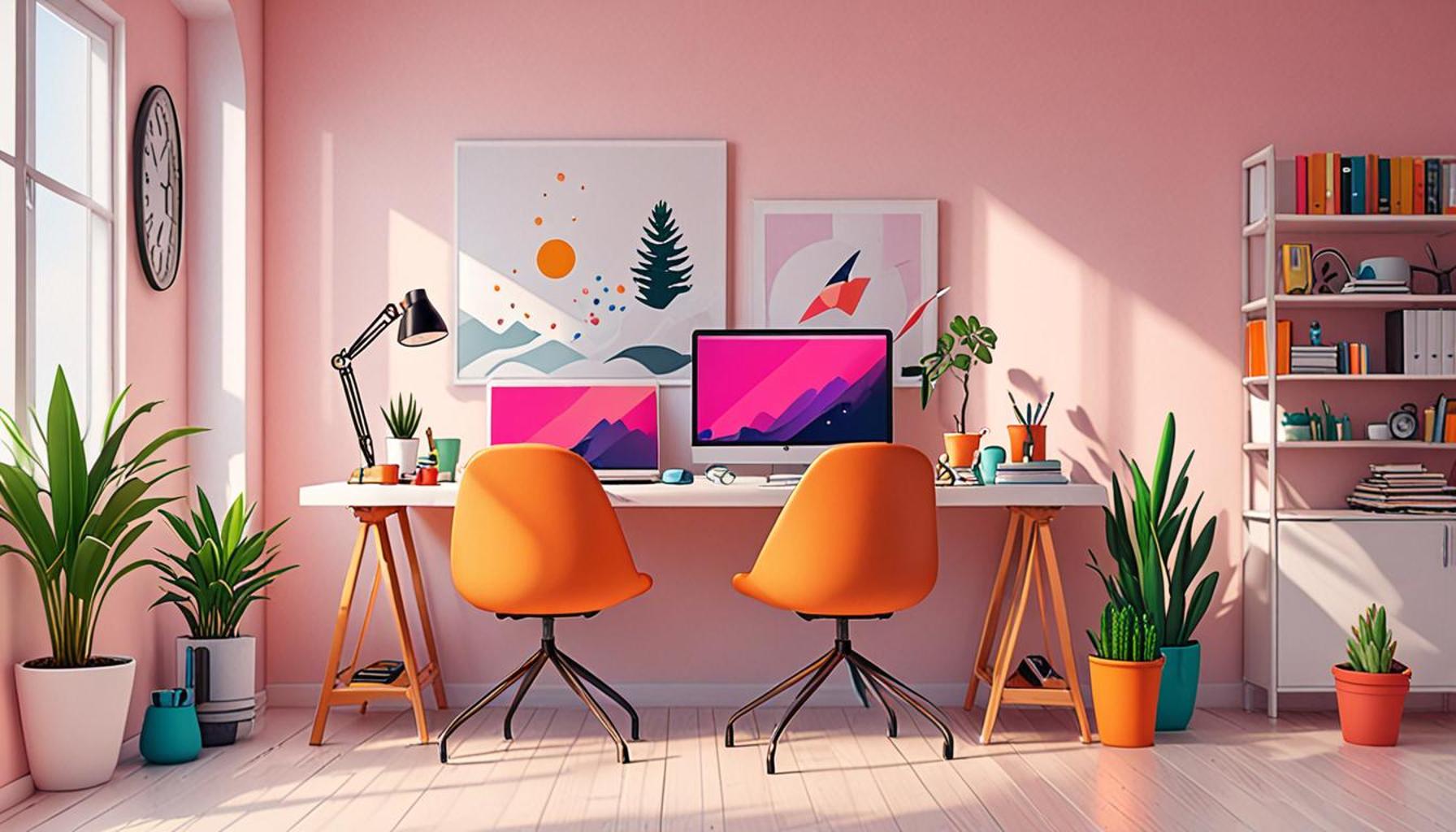
The Power of Minimalism in Workspaces
In an era characterized by constant notifications, multitasking, and an overwhelming influx of information, the drive towards creating a minimalist workspace offers not just a sanctuary, but a profound shift in how individuals experience productivity and creativity. This design philosophy transcends aesthetics; it serves as a framework for enhancing self-efficacy and nurturing personal confidence. By intentionally removing distractions and focusing on the essentials, individuals can more effectively harness their skills and achieve their goals.
Key Benefits of Minimalist Workspaces
- Reduced Clutter: A significant advantage of minimalism is the reduction of clutter. Studies have shown that environments filled with excessive items can lead to increased stress levels and diminished focus. A clean workspace allows individuals to better concentrate on the tasks at hand, thereby enhancing their overall performance.
- Enhanced Mental Clarity: Minimalist spaces are often synonymous with calmness and clarity. Research indicates that when distractions are minimized, individuals are better able to think critically and make more effective decisions. For example, a simple desk with only a laptop and a notebook can prevent the chaos that often arises from numerous papers, gadgets, and unorganized materials vying for attention.
- Increased Productivity: Numerous professionals report higher levels of productivity in tidy environments. According to a survey by the National Association of Professional Organizers, 82% of people felt more productive after decluttering their workspaces. A streamlined approach to workspace design can significantly impact efficiency and output, allowing individuals to accomplish more within the same timeframe.
Transforming a workspace into a minimalist haven often includes several key practices. For many, this involves:
- Decluttering desks by retaining only essential tools such as a computer, a planner, and a few motivational quotes. Keeping only what is necessary prevents distraction and can create a sense of purpose.
- Adopting neutral color palettes to cultivate a serene atmosphere. Soft beiges, whites, or light grays can facilitate relaxation, improving focus and reducing anxiety.
- Incorporating functional furniture that embodies simplicity—think ergonomic chairs and expansive desks. This type of furniture not only complements a minimalist aesthetic but also enhances comfort and productivity.
The impact of minimalism extends beyond home offices and is increasingly evident in corporate settings across the United States. Companies like Google and Apple have embraced minimalist designs within their workplace, promoting an environment that prioritizes creativity and innovation. These changes often help employees feel more confident in their abilities, paving the way for personal and professional growth.
As the minimalist movement gains traction, individuals are encouraged to explore these principles in their own environments. Whether it’s at home or in the office, the benefits of a simplified workspace can be transformative, leading to a richer, more confident approach to work and life.
DISCOVER MORE: Click here to dive deeper
Creating a Focused Environment
The essence of a minimalist workspace lies in its ability to cultivate focus and clarity, which are integral to enhancing self-efficacy and personal confidence. By consciously designing a workspace that minimizes distractions, individuals can more easily engage in deep work and achieve their objectives. Achieving focus requires deliberate choices about what to include in the workspace, how to arrange items, and how to maintain an atmosphere conducive to productivity.
The Psychological Impact of Minimalism
Psychology plays a significant role in understanding how the environment affects our mental states. Research from the Journal of Environmental Psychology suggests that cluttered spaces activate the brain’s fight-or-flight response, leading to feelings of stress and anxiety. Conversely, a minimalist workspace fosters an atmosphere of calm, which has been shown to enhance cognitive functioning and decision-making abilities.
Incorporating minimalistic principles into one’s workspace can take various forms:
- Streamlined Tools: Instead of a myriad of gadgets, a minimalist setup encourages only the most essential tools. For instance, a simple arrangement featuring just a laptop, an organized planner, and perhaps a few necessary writing instruments can create a clear focus.
- Intentional Decor: Artwork and decorations should be chosen thoughtfully. Select pieces that inspire or evoke calm rather than distract. For example, a single plant or a motivational quote can impart a positive ambiance without overwhelming the senses.
- Defined Spaces: Clearly delineating areas for work and relaxation can also enhance personal confidence. A workspace that is solely dedicated to professional tasks can help individuals switch into “work mode” more effortlessly, thus improving focus and motivation.
Moreover, adopting such practices can impact work performance measures, leading to enhanced self-efficacy. A study conducted by the University of Minnesota indicated that individuals who maintain organized workspaces demonstrate higher self-regulatory behaviors, which correlate positively with personal achievement and goal accomplishment.
Many people find that the act of decluttering alone can serve as a form of therapy. For instance, Marie Kondo’s principles of keeping only what “sparks joy” resonate with thousands of individuals looking for a refreshing start in their work lives. This idea not only applies to physical objects but also to digital files scattered across computers. A clean digital space can be just as liberating as a clear physical desk, ultimately boosting self-confidence and paving the way for enhanced productivity.
Ultimately, embracing a minimalist workspace isn’t just about aesthetics; it’s about creating an environment where individuals feel empowered and ready to take on challenges with confidence. By strategically designing these spaces, individuals are setting the stage for a more productive engagement with their tasks, thereby residing in a place where both skills and creativity can flourish.
In the quest for improved productivity and a higher sense of accomplishment, the concept of minimalist workspaces has gained remarkable traction. Not only do these spaces epitomize visual clarity, but they also serve to facilitate mental clarity, leading to enhanced self-efficacy and personal confidence. By stripping away distractions, minimalism allows individuals to channel their energy toward what truly matters: their tasks and aspirations.
Furthermore, minimalism promotes an organized environment that aligns with the principles of effective time management. A clean workspace enables you to focus on objectives without getting lost in clutter, thereby increasing your efficiency. This intrinsic organization can inherently boost confidence, as it translates to a clearer mind and a more structured approach to challenges.
Integrating elements of nature, such as plants or natural light, can further elevate a minimalist workspace. Research indicates that such incorporation improves mood and cognitive function, fostering a more positive emotional state while working. Thus, the dual benefit of enhanced aesthetics and psychological uplift can significantly impact an individual’s confidence in their abilities.
The transition to a minimalist workspace is not merely an aesthetic change; it often requires intentionality and prioritization. Setting aside time to declutter and create a functional layout is essential. Ultimately, this act of simplification fosters a sense of ownership and empowerment, encouraging individuals to take pride in their spaces and, by extension, their work. Each step toward embracing minimalism can serve as a foundation for building self-efficacy and harnessing personal confidence in achieving set goals.
| Category | Description |
|---|---|
| Increased Focus | Minimized distractions leading to a heightened ability to concentrate on tasks. |
| Enhanced Organization | Structured environments foster a sense of control and empowerment. |
| Boosted Mood | Natural elements improve emotional well-being, elevating confidence levels. |
| Ownership | Creating a personalized workspace fosters a sense of pride and responsibility. |
Exploring minimalist workspaces reveals a pathway not only to enhanced productivity but also to a profound transformation in self-efficacy and personal confidence. Each element serves a purpose, contributing to a holistic understanding of how our environments shape our mindsets and capabilities.
EXPLORE MORE: Click here to discover how minimalist organization can boost your mental well-being
Fostering Creativity and Innovation
While a minimalist workspace enhances focus, it also creates fertile ground for creativity and innovation. The core principle behind minimalism—in essence eliminating distractions and simplifying the environment—allows for a more fluid thought process. In contrast to cluttered spaces that can stifle creative flow, minimalist setups promote an atmosphere where individuals can explore ideas without the noise of superfluous elements tugging at their attention.
Encouraging Risk-Taking in a Simplified Space
Research from Stanford University has shown that environmental design influences our behaviors and moods, with a notable impact on our likelihood to take risks. In a supportive, minimalist environment, individuals often feel more comfortable stepping outside of their comfort zones. This sense of safety can inspire professionals to brainstorm bolder ideas, collaborate more freely, and push the boundaries of their creative potential.
In practical terms, a minimalist workspace can be designed with elements that encourage creative thinking:
- Whiteboards and Notepads: Incorporating a whiteboard or notepad in a clean area can encourage spontaneous idea generation. The act of writing down thoughts in a space without distractions can lead to an unfiltered flow of creativity.
- Flexible Furniture: Using movable furniture or modular workstations can allow individuals to reshape their environment according to the task at hand. This adaptability lets users find their ideal alignment for brainstorming sessions or solo projects.
- Natural Elements: Introducing elements like natural light and plants can significantly enhance creativity. A study by the University of Exeter revealed that incorporating greenery in workspaces leads to a 15% boost in productivity, inspiring fresh ideas while enhancing well-being.
The relationship between a minimalist workspace and improved creative expression is further evidenced by successful companies like Google and Apple. These tech giants have long understood the importance of uncluttered environments and often design their offices to feature open spaces, clean lines, and areas that encourage collaboration. This not only aids in efficiency but also in fostering a culture of innovation where employees feel empowered to contribute new ideas.
Boosting Confidence Through Simplified Decision Making
Minimalism also plays a crucial role in simplifying decision-making processes. When presented with fewer choices and distractions, individuals can focus on what truly matters. Psychologists refer to this phenomenon as “decision fatigue,” which can hinder performance when overwhelmed with options. Combating this through a simplified workspace allows individuals to feel more decisive and confident in their decisions—skills that are crucial for achieving personal and professional goals.
Moreover, the act of choosing a minimalist workspace can itself be a declaration of intent. By consciously opting for minimalism, individuals reaffirm their commitment to personal growth and effectiveness. They signal to themselves and others that they are serious about achieving their goals, thereby reinforcing self-efficacy.
In summary, a minimalist workspace not only enhances focus but also fosters creativity and streamlines decision-making processes. These elements converge to create a robust environment for individuals to build their confidence, cultivate innovative ideas, and ultimately achieve their desired outcomes. Embracing minimalism transcends mere aesthetics; it is a strategic approach to unleashing one’s full potential in the modern workplace.
DISCOVER MORE: Click here for innovative strategies
Conclusion: The Transformative Power of Minimalist Workspaces
In a world increasingly dominated by distractions, the move towards minimalist workspaces represents more than just a design trend; it is a transformative approach to enhancing self-efficacy and personal confidence. By stripping away the clutter and focusing on essential elements, individuals not only cultivate a clearer mental landscape but also empower themselves to harness their creativity and make more decisive choices. Studies highlight the significance of our environments in shaping behavior, demonstrating that well-structured spaces can promote risk-taking and innovative thinking—traits essential for personal and professional growth.
The psychological benefits of adopting a minimalist workspace extend beyond mere aesthetics. Individuals find themselves in an environment that nurtures their ideas and amplifies their confidence, leading to a heightened sense of accomplishment and fulfillment. The deliberate choice to create a minimalist setting acts as a personal commitment to prioritizing effectiveness and efficiency in achieving one’s goals.
As organizations like Google and Apple have illustrated, design choices matter. By prioritizing clean lines and open spaces, these companies not only enhance productivity but also foster a culture of collaboration and innovation. To harness the full potential of minimalism, individuals and companies alike should consider redesigning their workspaces to reflect these principles.
Ultimately, embracing a minimalist workspace is a powerful step toward unlocking one’s full potential and nurturing a confident, capable self. This intentional shift invites individuals to explore new realms of creativity, assert their decision-making skills, and cultivate a fulfilling workplace experience that aligns with their personal and professional aspirations.